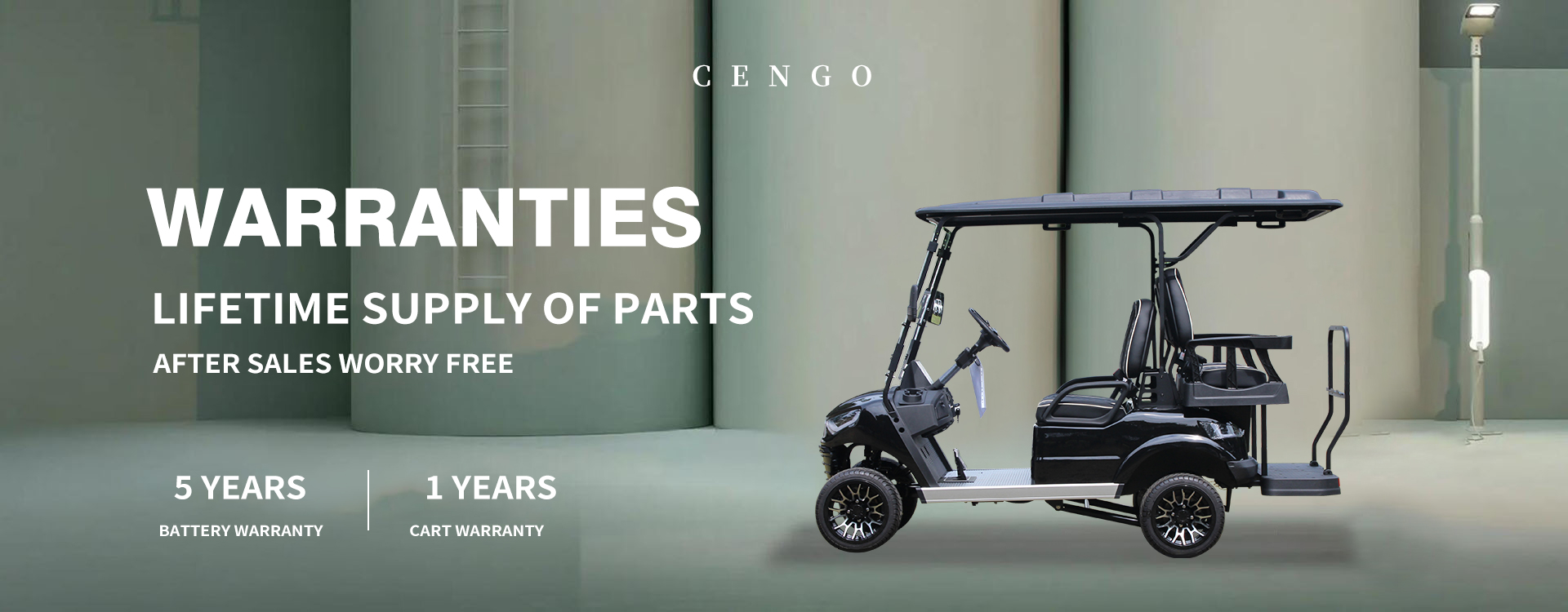
Comparative lead-in: what certification actually gives you
When you compare a factory-backed 4 seater golf cart with a homemade retrofit or an offbeat import, the differences are practical and immediate. A certified manufacturer brings tested chassis geometry, a proper battery management system, and an OEM warranty that stands up when parts fail — so you get predictable uptime. If you want to see this logic in real listings, browse a reputable source for a 4 seater golf cart and you’ll notice spec sheets, VIN tracking, and service pathways right up front.
Safety and build quality: where certification matters most
Certified makers follow repeatable assembly steps that reduce surprises in the field. That means welded frame checks, consistent payload capacity ratings, and well-documented electrical harnesses. For communities like The Villages in Florida where carts log thousands of miles per year, that predictability translates to fewer roadside repairs and safer operation. A certified cart often carries serialized VINs and clear OEM parts lists — real assets when you need a replacement seat, a new controller, or a factory-tested suspension arm.
Performance, serviceability, and the tech inside
Under the hood, the differences show up in drivetrain calibration and battery choices. Certified units commonly use lithium-ion battery packs paired to a battery management system tuned for thermal stability and longer cycle life. Motors may be brushless designs with matched controllers that manage torque delivery and regen braking. Service technicians appreciate this: fewer jury-rigged adapters, clearer wiring diagrams, and documented service intervals make diagnostics faster — and that saves money over the long run. — It’s small comforts that keep fleets moving.
Costs, resale value, and real-world evidence
Upfront cost sometimes favors a cheap import or a DIY rebuild. But certified machines hold resale value. Buyers pay more for documented maintenance history and verified OEM parts, which is obvious when you compare marketplace listings from private sellers and dealership trade-ins. The math is straightforward: lower lifetime maintenance plus higher resale beats a low-price gamble for many owners. Look at active golf communities and resorts; operators prefer certified fleets because downtime has a predictable cost, not a surprise cost.
Common mistakes and sensible alternatives
People often underestimate integration issues — a new motor that doesn’t match the existing controller, or a battery pack with different voltage architecture. Those lead to poor performance and overheating. Don’t assume compatibility; verify spec sheets and request torque curves or wiring diagrams. Alternatives worth considering are factory-refurbished units or certified remanufactured carts from established dealers. These give many of the benefits of new models at reduced price, and they still carry documented testing and warranty coverage.
Three golden rules for choosing the right certified 4 seater
1) Prioritize documented safety and service data: choose carts with clear chassis specs, VIN tracking, and available wiring diagrams. That tells you what parts you’ll need and how easy repair will be. 2) Match battery architecture to your use profile: select lithium-ion systems with a compatible battery management system and realistic cycle-life specs rather than selecting on price alone. 3) Evaluate total cost of ownership: factor in warranty term, dealer service network, and resale value instead of focusing only on purchase price.
Follow these metrics and you’ll avoid the usual traps while getting a cart that performs and pays back in reliability — and if you want a place that assembles documentation and service pathways plainly, consider how 4 seater golf carts are presented by certified sellers. They make the choices easy, which is exactly what owners in resort towns and retirement communities expect.
CENGO understands how certification turns into daily value for owners — and that’s why dealers and fleet managers often start there. —
