
Hidden Pain Points Behind the Queue
Let’s get technical for a sec: a charge bottleneck is when cars arrive faster than a site can push energy per bay, especially once the curve sags at high state of charge. EV charger manufacturer / winline hears this every week. Picture a Saturday mall stop in Jozi: four bays, six-car queue, kids hungry in the back—eish, you feel it. With solutions like ultra fast charging 3600 stepping in, that gap can shrink. Data from busy corridors shows median DC sessions at 18–27 minutes, yet drivers wait another 10–20 for a slot. So, is the real issue your car, the grid, or the charger’s brain? Look, it’s simpler than you think (and also not). Queue anxiety grows when load balancing is blunt, power converters throttle early, and session control doesn’t react to live site demand.
What’s really slowing you down?
Hidden friction lives in the handoff: thermal management that kicks in too soon, cabinets that share power unevenly, and edge computing nodes that don’t predict peak demand. Then there’s software lag—OCPP chatter that adds seconds here, seconds there—funny how that works, right? Drivers feel it as “slow,” but it’s really a thousand tiny inefficiencies: demand-charge spikes that force derates, misaligned charging curves, and downtime from modules that aren’t hot-swappable. The result is fewer kWh per minute delivered across a site. That’s the part the queue exposes. The fix starts with smarter orchestration, not just bigger cables. And yebo, the right architecture can turn that pain into throughput. Here’s the pivot—let’s unpack what a forward-looking platform does differently, and why it matters in real queues, not just lab charts.

How Next-Gen Architecture Changes the Math
What’s Next
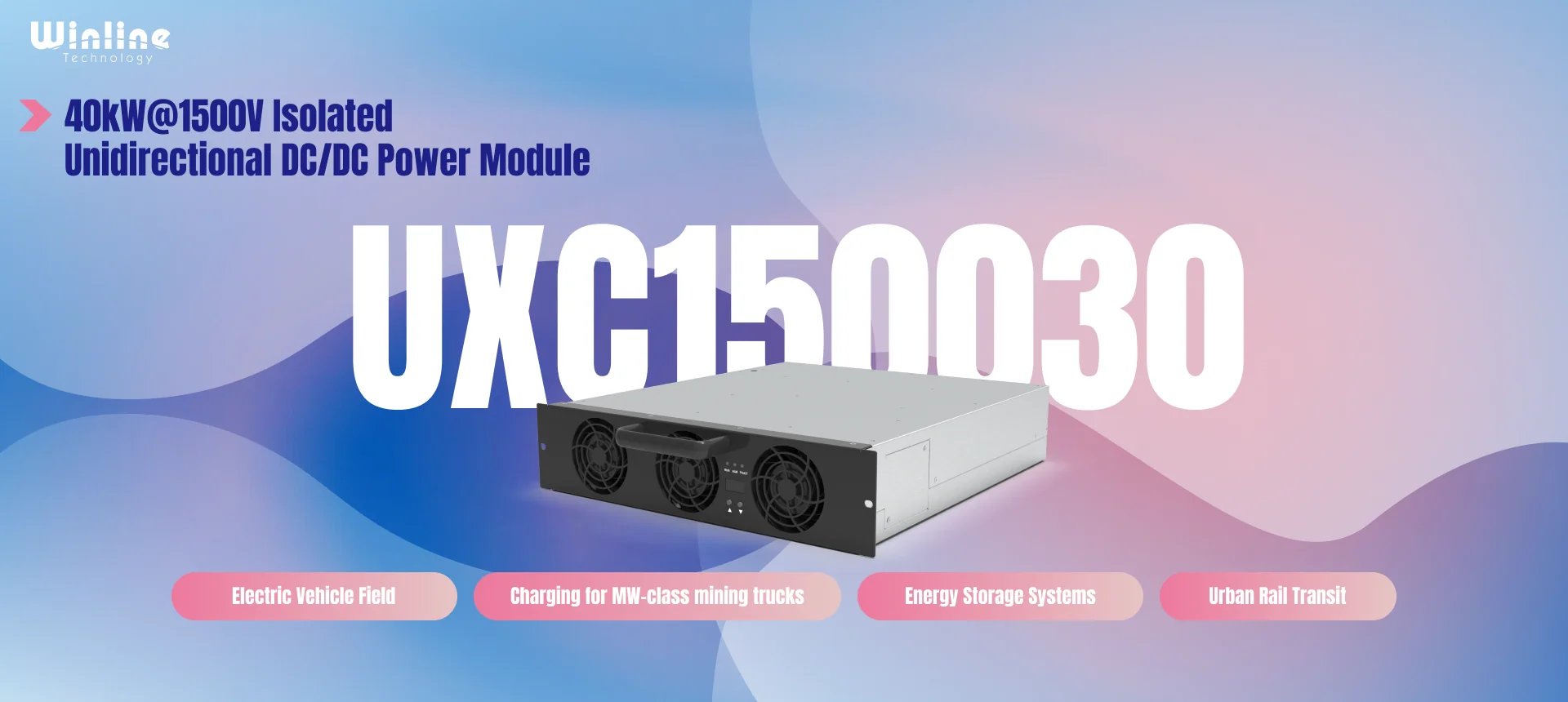
The forward path pairs new power electronics with adaptive control. Instead of one big box pushing fixed output, modular cabinets stitch together high-density blocks that share current dynamically. Each fast charging module feeds the bay that can actually take it, in real time, so energy doesn’t sit idle. Silicon-carbide switching lifts efficiency, liquid cooling steadies thermals, and session logic forecasts the next minute—then the next. That cuts throttling early in the curve and keeps 800 V vehicles at peak longer. On the back end, edge scheduling smooths demand spikes and cooperates with the grid, not against it. Add predictive maintenance to keep modules online, and you get more clean sessions per day, not just a higher nameplate number. And then, bam—the queue melts.
Comparatively, legacy stacks chase peak kW on a spec sheet; next-gen platforms chase real session throughput. It’s a small shift in words, a big change in outcomes. A cabinet that can re-allocate 30–60 kW slices on the fly beats a rigid unit that locks power even when a car can’t absorb it. When a driver plugs in, orchestration decides: which bay needs the most, which curve is steepest, which pack is heat-limited. The site controller tunes the flow like a good DJ. Net effect: higher kWh per hour per site, fewer stalls left underfed, and lower OPEX from avoided demand spikes. That’s why the conversation is moving from “How fast is one port?” to “How many complete sessions can this site deliver in peak hour?”
Before you pick a path, use three simple metrics that cut through the noise. One: real session throughput—kWh delivered in a 10-minute window across all bays during peak. Two: resilience—hot-swap time for a failed module, plus MTBF and IP rating for dust and heat. Three: grid friendliness—power factor and harmonic distortion under load, so you don’t pay for chaos later. If these three look strong, the rest—apps, cables, screens—tends to follow. Keep it practical, keep it fair, and keep drivers moving. That’s the goal—on good days and load-shedding days alike—with Winline.