Introduction: A Shop Floor Moment, Some Numbers, and a Question
I remember standing next to a production line as a motor hummed to life—simple sound, huge consequences. As I listened, I thought about how a single decision about an electric motor manufacturer can ripple through costs, downtime, and product quality. An electric motor manufacturer shows up in specs and invoices, but it also shapes reliability, lead time, and even warranty headaches (you know the ones). Recent industry data shows that unexpected motor failures account for up to 20% of unplanned downtime in mid-sized factories, and the cost per incident can climb into the tens of thousands. So why do so many teams treat motor sourcing like a box to tick rather than a strategic move? I want to explore that question with you — and point out the parts most people miss as they pick a supplier. Next, let’s peel back the common fixes and see where they come up short.
Where the Usual Fixes Fall Short
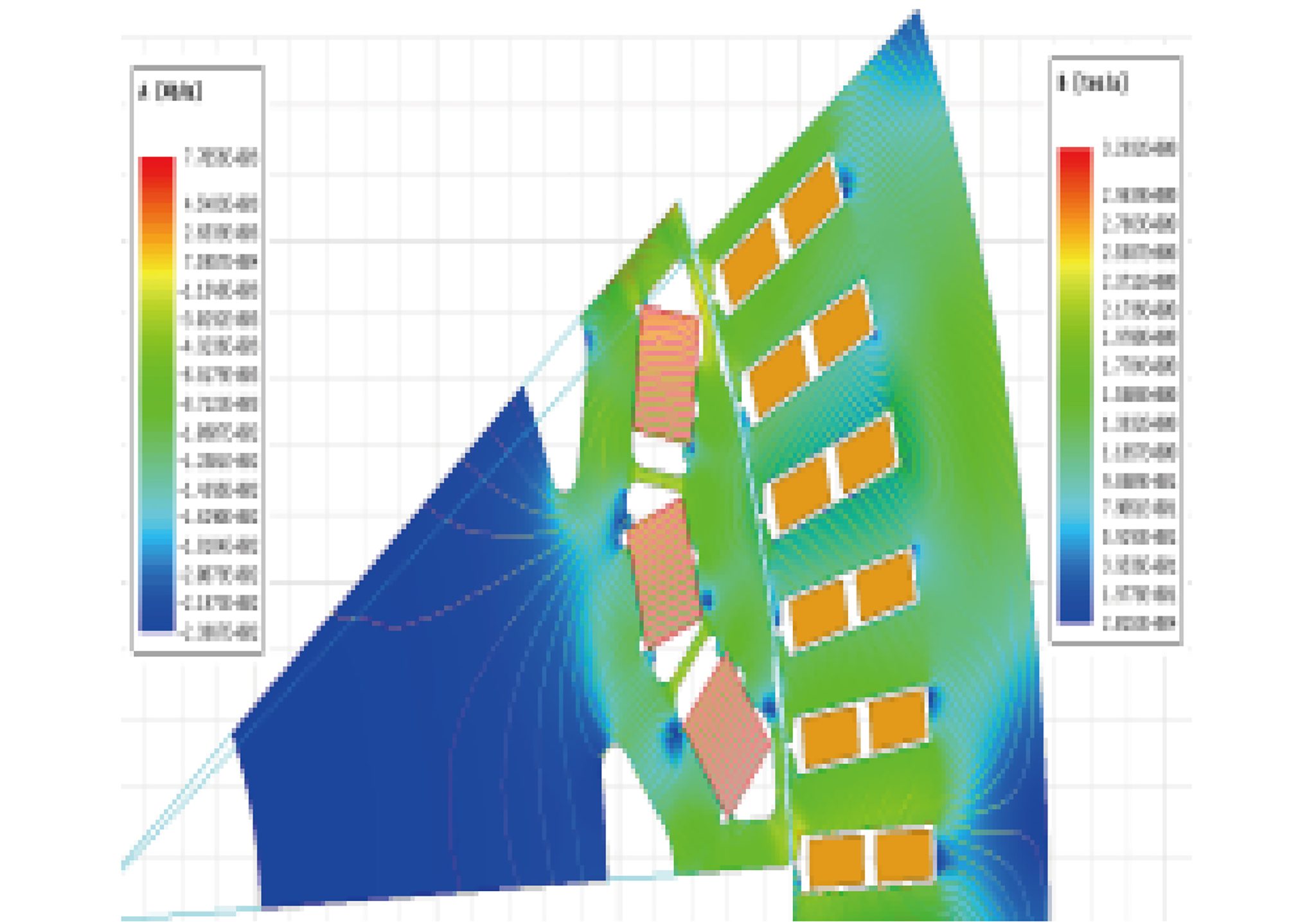
motor manufacturer choices often get narrowed to price, lead time, and a glossy spec sheet. On paper, that seems efficient. In practice, I’ve seen the cheaper option cause repeated service calls because of poor thermal management or inconsistent rotor balancing. Let me be blunt: specs don’t tell the whole story. You can list torque, RPM, and efficiency, but not the tolerances the shop actually holds or how a motor behaves after 1,000 hours in high humidity. That hidden gap is where the pain lives. Look, it’s simpler than you think—those small tolerances and inadequate thermal paths add up. If you ignore stator winding quality or neglect tests for torque ripple, you’ll pay later in maintenance and product returns. I’ve handled projects where a marginal saving on the BOM translated into months of troubleshooting and unhappy clients. That taught me to ask different questions up front—about lifecycle testing, vibration specs, and vendor test procedures—not just the sticker price.
Why does this keep happening?
Too often procurement runs as a race to the bottom. Suppliers with aggressive pricing may cut corners on quality control or skip critical end-of-line inspections. That shows up as inconsistent power converters or early bearing wear. I prefer to think in terms of total cost of ownership: initial price, mean time between failures, and serviceability. When teams start measuring that way, they stop being surprised by repeat failures. — funny how that works, right? If you shift your focus, you catch problems before they blow up in the field.
New Principles and A Practical Outlook for Motor Manufacturing
Looking forward, I focus on two practical principles: transparency in testing and modular design for easier repairs. In motor manufacturing, transparency means clear, repeatable test data—thermal cycling results, vibration profiles, and long-run torque maps. When manufacturers publish that data, I can match a motor’s real-world profile to our application. Modular design means easier replacement of a damaged inverter or a worn bearing without a full motor swap. This lowers downtime and reduces waste. Those ideas sound simple, but implementing them requires suppliers to invest in better QC systems and us to ask the right questions during purchase—about PWM inverter compatibility, bearing life, and repairable assemblies. I’ve seen teams get better uptime by insisting on swappable power modules and documented test logs. It takes effort, but the returns are measurable.
What’s Next?
For product teams, the next step is pragmatic: build a short vendor checklist that includes lifecycle test results, repairability notes, and documented thermal management strategies. For engineers, prototype with the motor and stress-test it under the real load profile rather than accepting bench numbers. For leaders, measure uptime and service costs, not just initial spend. If you do that, you’ll see predictable improvements in reliability and lower total cost. I’m not selling a miracle—just better choices, based on straightforward data and a bit of commonsense scrutiny. — and yes, it takes a little more time at the start, but it pays off.
Closing Thoughts and Practical Metrics
I’ve worked with teams that shifted to data-driven decisions and saw mean time between failures double within a year. That felt great—because it meant fewer emergency calls, happier customers, and less stress on the maintenance crew. To evaluate potential suppliers, I recommend three metrics: 1) documented lifecycle test hours (how long did they run the motor under real conditions?), 2) repairability score (can key parts be swapped quickly on site?), and 3) verified thermal and vibration reports (do they match your operating profile?). Use those measures, and you’ll avoid the common traps I’ve seen. If you want a reliable partner who provides the test data and practical support we all need, consider reaching out—I’ve found teams benefit from working with experienced suppliers like Santroll. I’m happy to share what I’ve learned and help you tighten your checklist.