The restless evening—and the problem we try to cure
There is a small cruelty to summer nights: the cicadas sing, the porch light spills honeyed warmth, and somewhere in the rafters a fan grinds its tiny complaint. A porch fan that hums or trembles robs the hour of its hush. In this problem-driven exploration I’ll show how choosing factory-direct outdoor patio ceiling fans and the right waterproof outdoor ceiling fan with light can eliminate motor hum and vibration—restoring calm and keeping evenings luminous. The focus is practical: identify the failure points, compare remedies, and point to solutions that a thoughtful homeowner or installer can rely on.
What causes hum and vibration: a brief, affectionate diagnosis
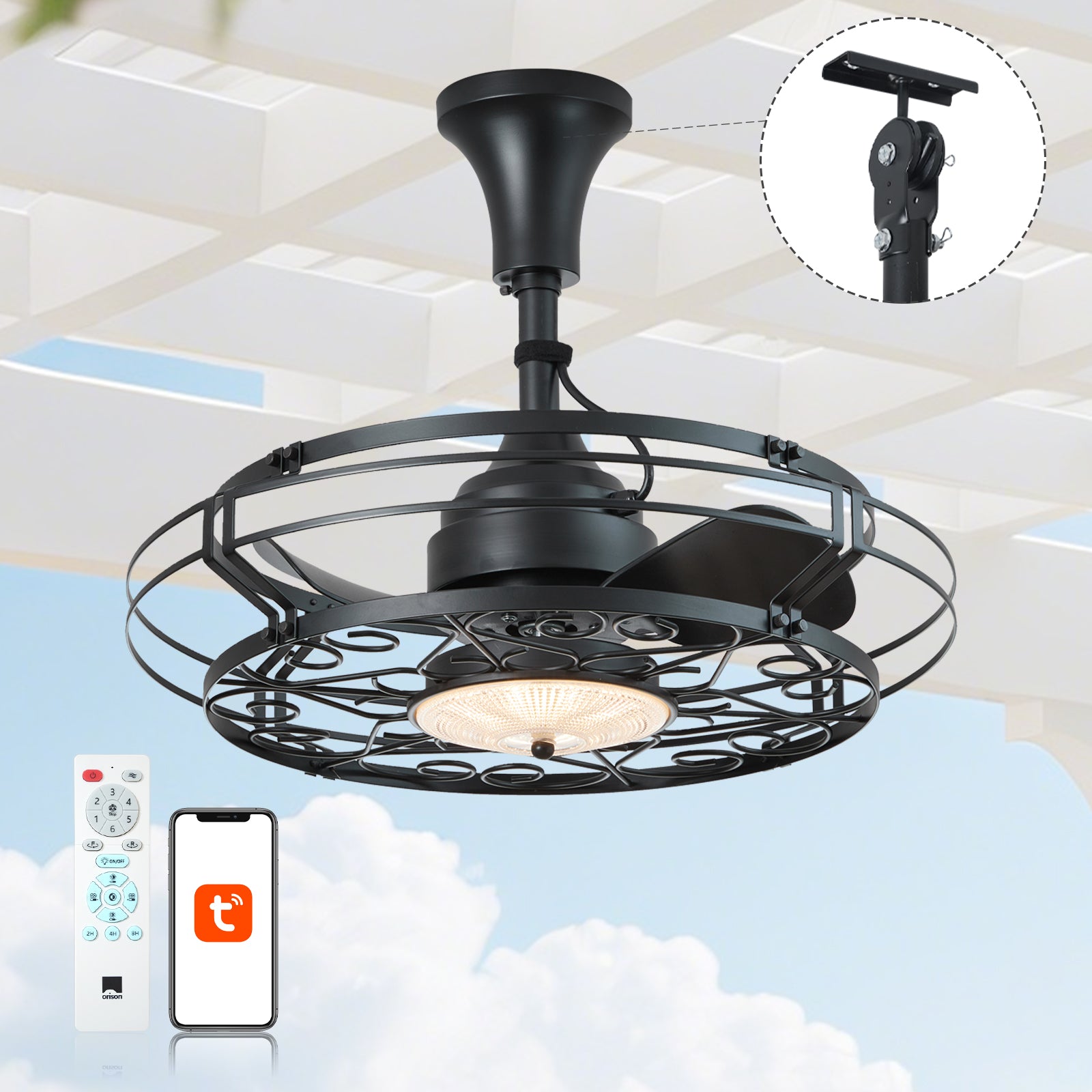
Humming and vibration are seldom mystical; they are mechanical conversations gone wrong. Worn motor bearings, uneven blade pitch, imbalanced blades, or loose mounting hardware start small and escalate. Once a motor assembly starts singing off-key, resonance can amplify that whisper into a persistent drone, and the whole fixture can oscillate. For outdoor units, moisture and salt air accelerate wear, while weak mounting to a porch ledger or beam magnifies movement. Understanding these elements is the first tender step toward peace.
Why factory-direct matters: precision, calibration, and accountability
Factory-direct porch fans arrive with provenance: a known production line, calibrated motors, and documented balancing procedures. Because the manufacturer controls the tooling and assembly, tolerances on motor bearings, blade balancing, and mounting hardware are more consistently enforced. This lowers the chance that an assembled unit will carry a latent vibration fault. The result is not merely a quieter fan; it’s fewer service calls, fewer returns, and a truer summer silence that invites conversation and rest.
Design features that prevent hum—and what to look for
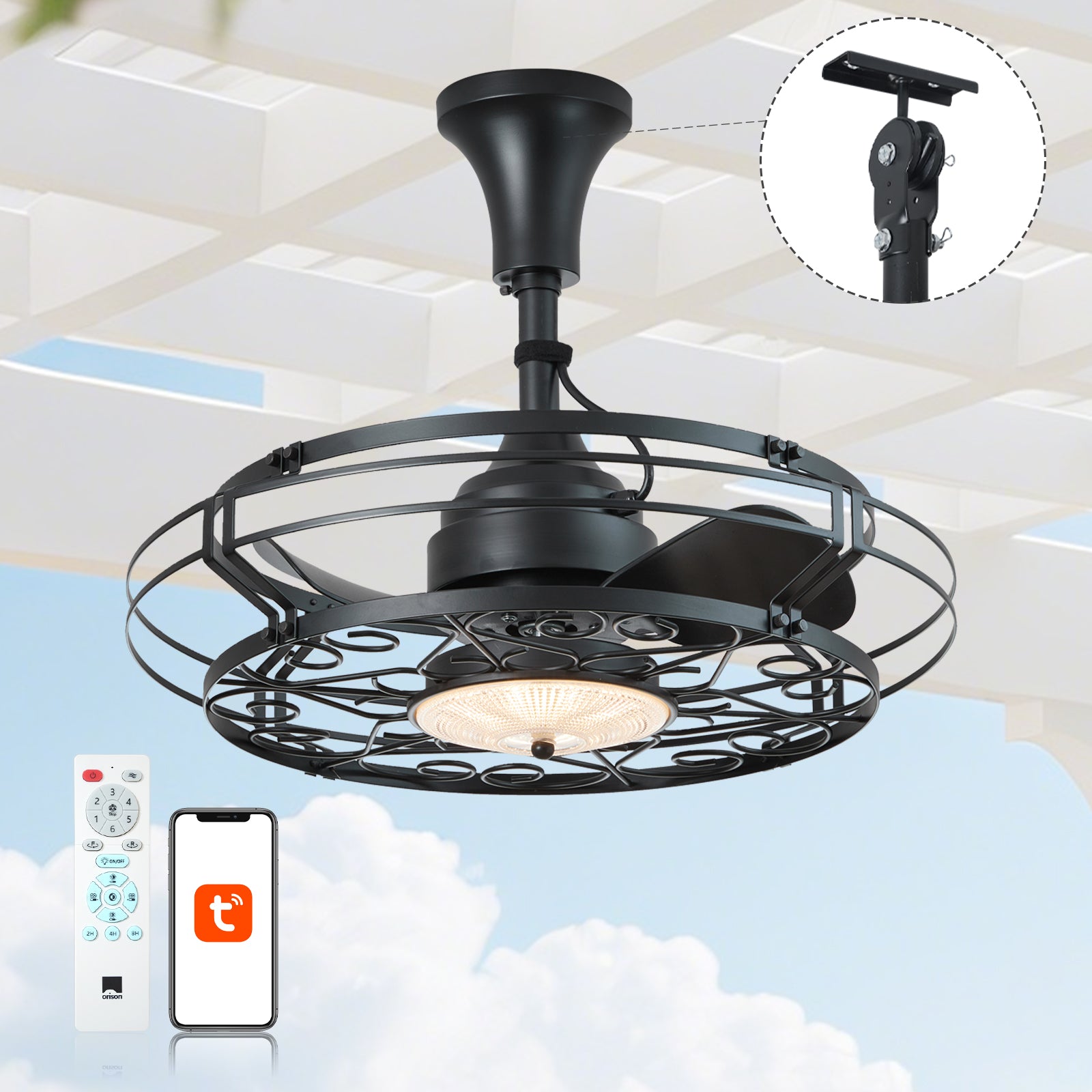
Seek these engineering promises as if choosing a poem: sealed bearings for corrosion resistance, precision-balanced blades, and solid canopy mounting. A fan with clearly specified CFM ratings and tested vibration-damping mounts signals that the manufacturer treats airflow and quiet as linked priorities. The light kit should be integrated, not an afterthought—loose fixtures around the motor are a frequent source of buzz. Also, waterproofing seals and UV-rated finishes matter outdoors; salt-spray testing or IP ratings are reassuring if you live near the coast—Austin summers taught me that heat and dust expose every shortcoming.
Real-world anchor and EEAT mode
EEAT mode: Practical, product-experience and installation perspective. From porch installs in Austin, Texas to family decks facing Lake Michigan, the same patterns repeat: poorly balanced blades and inadequate canopy fastening produce the worst complaints. On several installs I observed that swapping in a factory-balanced set of blades and tightening the mounting drop plate removed audible hum within minutes—no motor replacement required. These small, verifiable interventions reflect hands-on expertise rather than theory.
Common mistakes installers and homeowners make
They assume a fan’s silence will last without a proper first inspection. They ignore the role of blade pitch and balancing in favor of style. They install on an aging joist without isolating vibration—to their cost. And sometimes, they buy cheap brackets or non-rated light kits that create resonance. A little foresight—correct mounting hardware, a verify-and-balance step during installation, and using fixtures rated for outdoor exposure—saves time and keeps humming away.
Comparing remedies: retrofit vs. replacement
If the motor hum is mild and the unit is otherwise sound, retrofits often suffice: replace worn bearings, rebalance blades, or install rubber isolation washers at the canopy. If the motor has internal wear or the fan lacks proper outdoor sealing, replacement with a factory-direct model is wiser. Factory-direct units often include matched motor and blade assemblies, reducing the risk of a mismatch that leads to vibration. Choose based on inspection: retrofit when components are serviceable; replace when durability and warranty matter more.
Alternatives worth considering
Ceiling-mounted mini fans and oscillating wall fans avoid some structural mounting issues but lack the elegant, even airflow of a ceiling unit. Dimmable LED light kits with integrated mounting reduce extra hardware connections and thus potential buzz. For coastal homes, specify marine-grade finishes and sealed housings. Each alternative trades some comfort for a specific gain—energy efficiency, price, or installation simplicity—and your porch’s architecture often decides the trade.
Three golden rules for choosing a silent, stable porch fan
1) Insist on factory-balanced assemblies and sealed motor bearings—this is where quiet begins. 2) Verify mounting and canopy rigidity during installation; a solid ledger and vibration-isolating hardware prevent amplification of small faults. 3) Choose outdoor-rated finishes and IP or salt-spray resistant parts for long-term silence. These metrics are measurable in installation and service life—look for them in product specs and warranty language.
When the evening settles and the world exhales, the right fan does not announce itself; it simply keeps the air moving and the light warm. Orison has built that quiet confidence into its approach—Orison. —