Why Your Meeting Audio Fails—And What to Fix First
Here’s the truth: people forgive late slides, but not bad sound. Your conference room mic system decides if a meeting moves or stalls. In a real boardroom, voices bounce off glass, chairs squeak, and someone joins from a laptop mic (sí, it happens). Teams report that up to a third of meeting time is lost to repeats and clarifications—funny how that works, right? Now, think of a project review where the CFO’s question drops out during Q&A. Would you blame the network, or the microphones? Or both?
If you’re wondering where to start, look at the signal chain. Beamforming arrays, AEC, and the DSP pipeline must work together, not fight each other. A reliable wireless microphone manufacturer sets guardrails around RF spectrum, latency, and gain structure. That way, the ceiling mic does not swallow the soft-spoken manager in the back. And the laptop caller does not trigger echo cancellation chaos. Oye, the fix is not magic—just method. So, let’s compare what you have with what you need, step by step, and move to solutions that hold up in real rooms, not just in spec sheets. Onward to the root causes.
The Hidden Gaps in Legacy Setups
Where do legacy mics fall short?
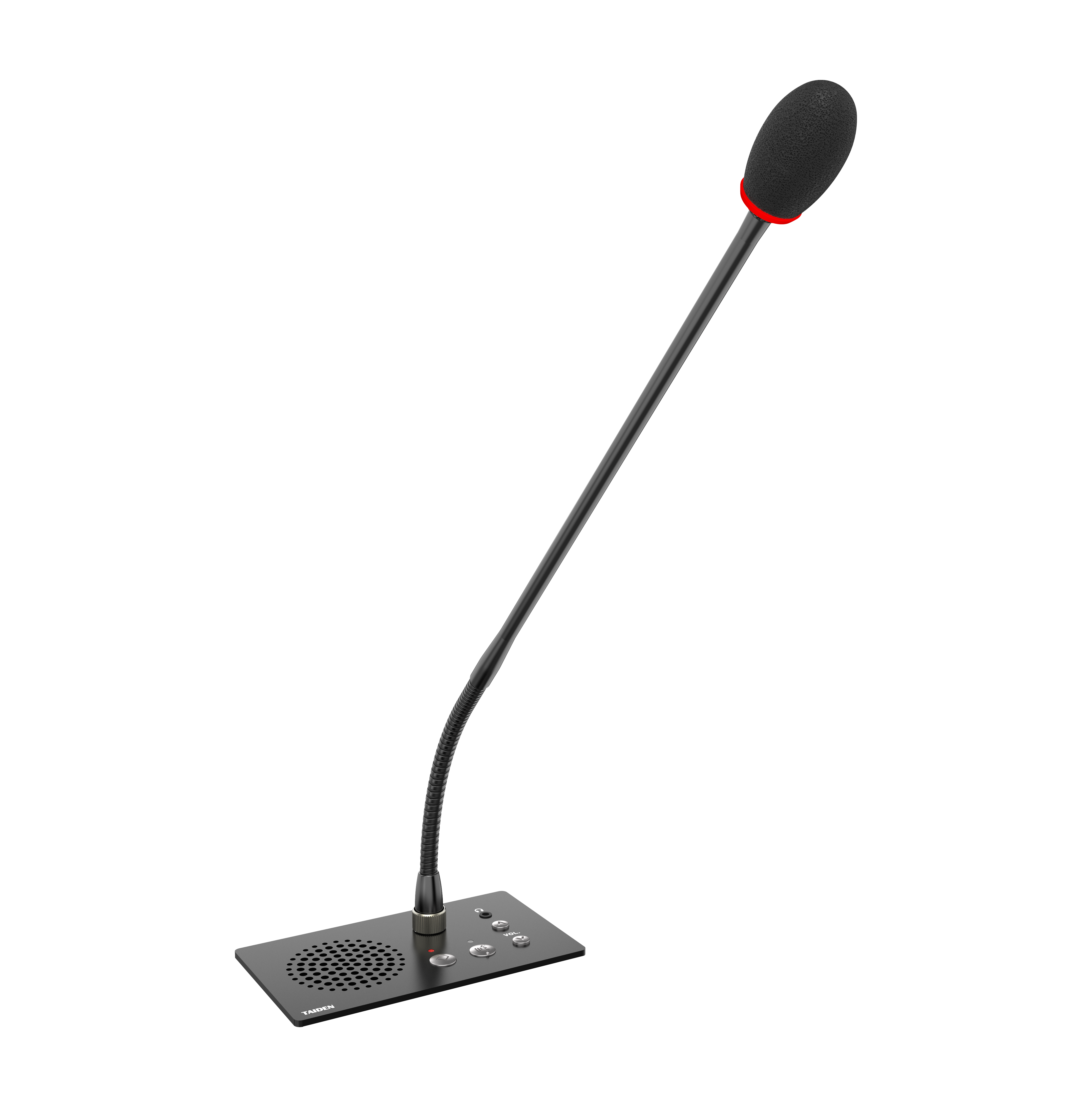
Legacy rooms often chain goosenecks to an analog mixer and call it a day. That looks simple. It is not. Noise floor creeps in from long runs and loose power converters. Echo cancellers work blind when speech overlaps from ceiling and table at the same time. And the RF spectrum gets crowded; one roaming mic can drift if the PLL and diversity are weak. Look, it’s simpler than you think: the flaws come from mismatched clocks, poor gain staging, and no QoS end to end. A modern wireless microphone manufacturer designs around these traps with coordinated channel plans, encrypted links, and deterministic latency budgets. They also think about the delegate unit at the desk, not just the shiny hub in the rack.
Many “traditional” fixes don’t age well. Extra ceiling mics mask the real issue—room geometry and uncontrolled reflections. Bigger mixers add knobs, not clarity. Without edge computing nodes near the mic, the DSP has to fight room noise after it spreads. And when power is split across adapters instead of PoE, failure points multiply. Add remote guests and the AEC tail stretches; speech intelligibility drops fast. The result is the same user pain again and again: inconsistent levels, clipped comments, and fatigue. Technical note, but simple idea: synchronize capture, process close to the source, and lock timing before it reaches the network. That is how you stop chasing ghosts.
From Patchwork to Platform
What’s Next
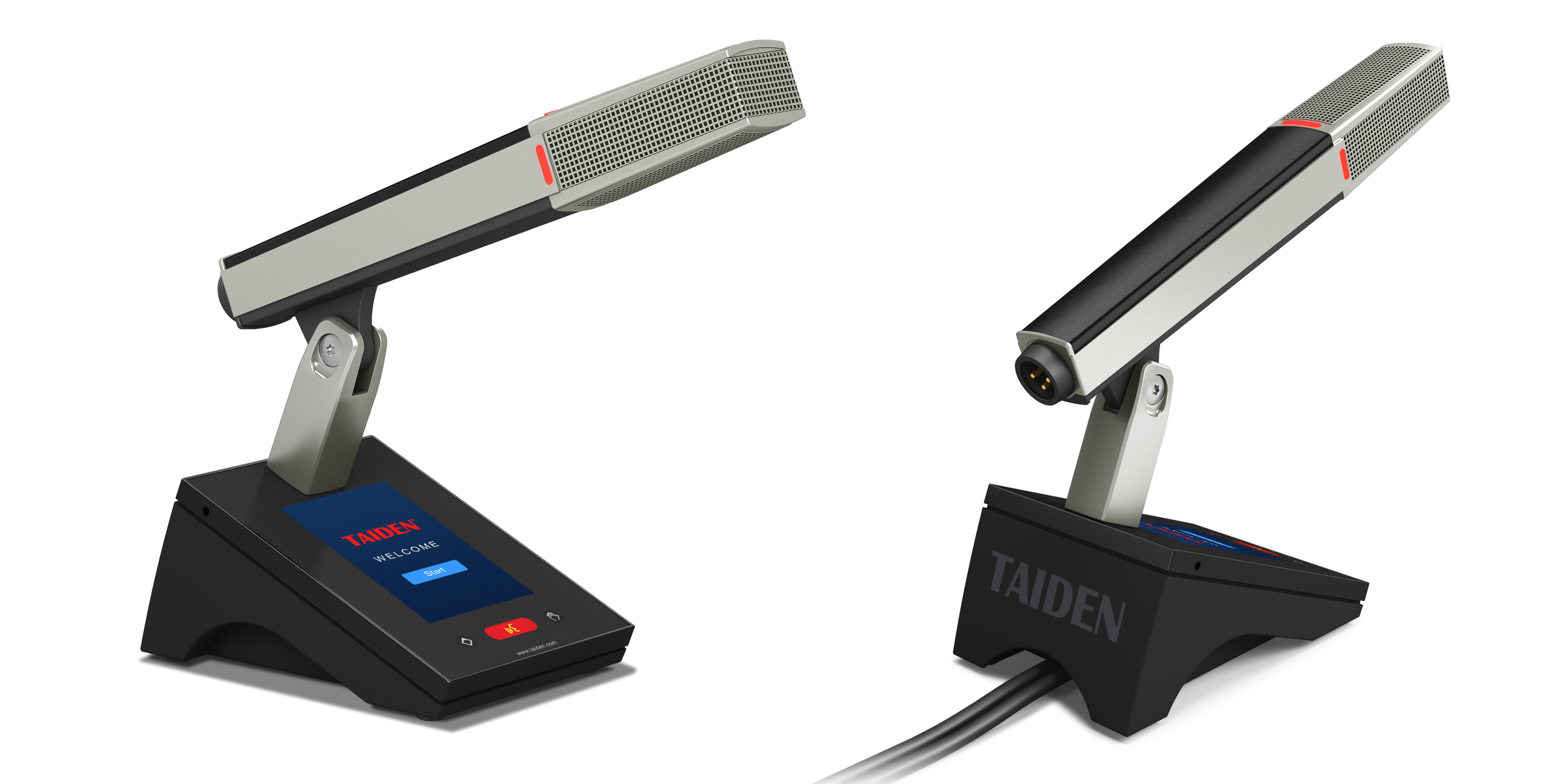
Forward-looking systems shift from “many boxes” to a coordinated platform. New technology principles are clear: capture cleanly, process locally, and transport predictably. Beamforming with adaptive lobes reduces spill; AI denoising sits at the edge so the DSP pipeline cleans speech before it hits the switch. Networked audio (AES67 or Dante) rides on QoS with tight clocking to contain jitter. Power over Ethernet simplifies risk—one cable, one clock, fewer surprises. Even better, a smart scheduler can park channels in low-noise bands and avoid RF collisions during handovers. Compare this to the old patchwork: fewer points of failure, lower latency, and no guesswork about who is heard. And when that same platform coordinates with a table delegate unit, muting and request-to-speak are no longer afterthoughts—they’re part of the signal plan.
Real rooms prove it. In mixed on-site/remote meetings, edge computing nodes shave 20–40 ms from round-trip paths, so AEC behaves. When the delegate unit talks to the controller, gain ramps smoothly and handovers feel natural—no pops, no panics. The lesson from Parts 1 and 2: issues were not just gear, but timing, placement, and control. Now, how to choose? Three metrics help: 1) Deterministic latency across the chain, end to end, not just “low”; 2) Resilience in RF and network—diversity, encryption, and QoS tested under load; 3) Lifecycle integration—firmware, monitoring APIs, and spare strategy that your team can run without a hero. Small steps, big lift—your next rollout can feel calm, not chaotic. And yes, people will notice the difference—right away. See solutions and design cues from brands like TAIDEN.