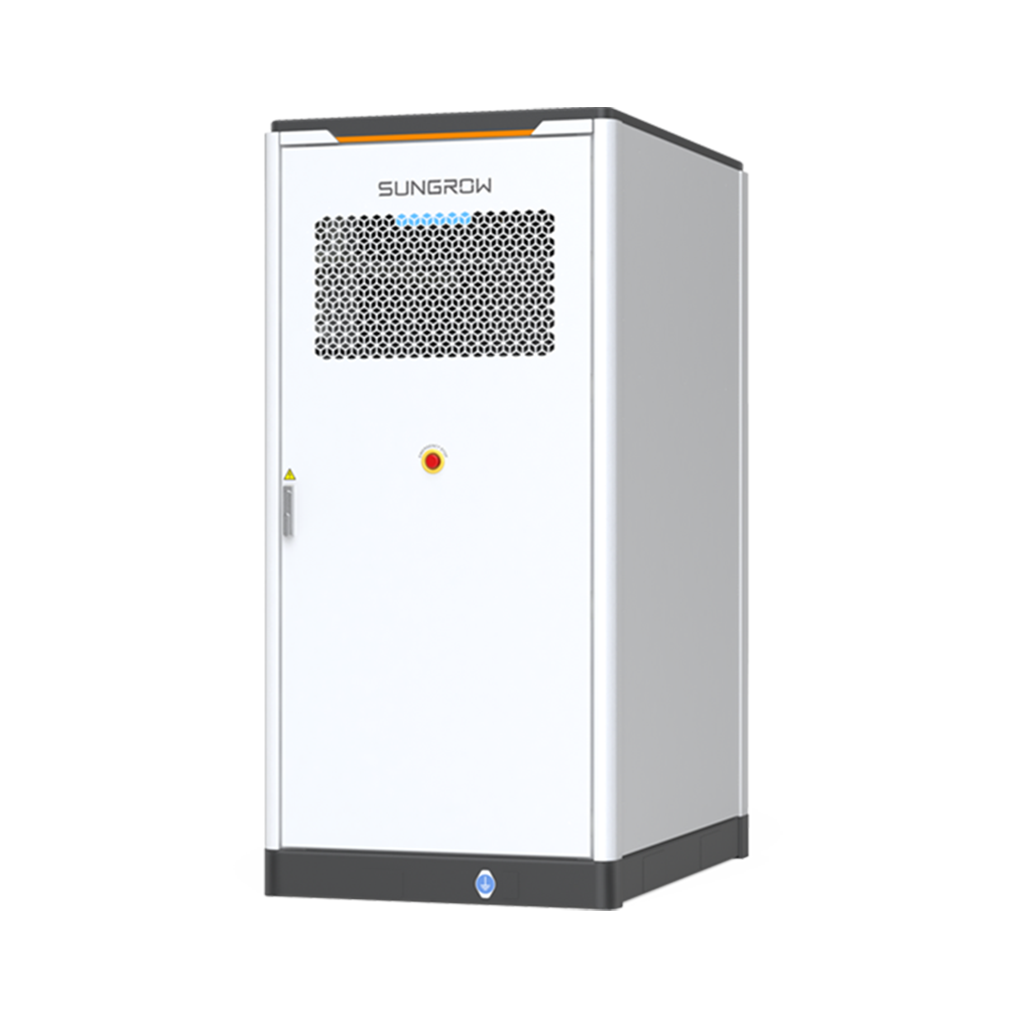
Why traditional commercial energy storage system designs often disappoint
I once oversaw a pilot installation of a commercial energy storage system at a textile plant near Shenzhen, and the early promise turned into steady headaches: three brownouts in six weeks, two inverter trips, and a clear 8% capacity loss in the first year — what went wrong?
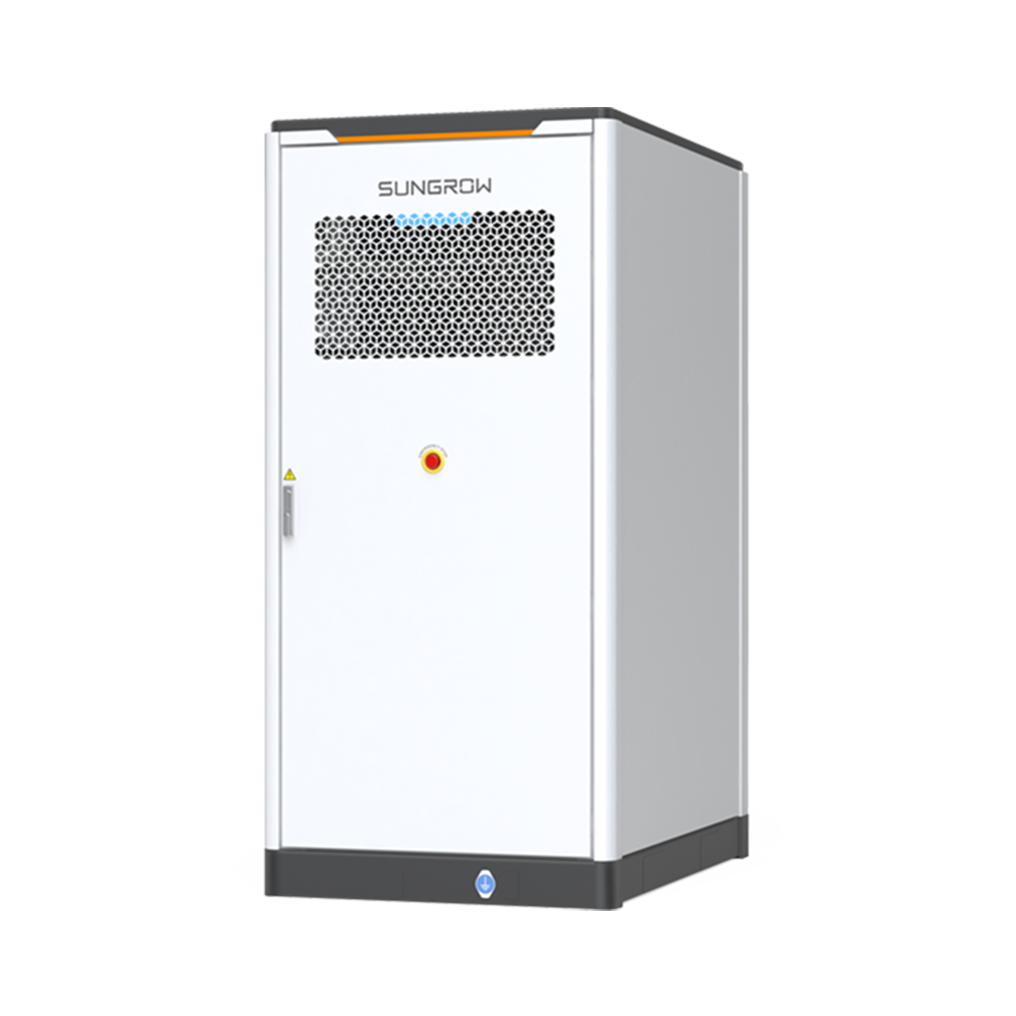
I say this not as abstract complaint but from daily handling of Li-ion racks, BMS alerts, and site wiring since 2007. The typical flaws are straightforward: undersized cooling, optimistic round-trip efficiency figures, and control logic that treats the battery like an on-off toy. These problems look small on paper but translate to real cost — a 250 kWh pack that loses 8% usable capacity means lost revenue during peak-shaving events, you know. I have seen procurement teams choose lowest CAPEX and then face higher OPEX (very typical in my work) because the system required frequent manual resets and extra maintenance. This is the problem-driven core: sellers promise resilience; operators see hidden downtime. The next section moves us from complaint to comparison — how do we judge better options?
Technical breakdown: what to evaluate moving forward
Now I switch tone and dig into measurable criteria. When I assess a new commercial energy storage system, I test three elements in sequence: battery chemistry behavior under real load profiles, battery management system (BMS) responsiveness to cell imbalance, and site-level control for peak shaving and frequency regulation. In September 2020 at a Guangzhou distribution center, we recorded charge/discharge cycles under realistic demand and measured round-trip efficiency; the system that claimed 92% delivered 87% under factory cooling conditions — that 5% gap costs thousands annually.
Practically, I recommend running a short-stress campaign: 30 full cycles over two weeks while logging temperature, state-of-charge spread, and inverter fault codes. I have done this for three different vendors — and the outcomes were stark: one unit required firmware patching twice; another had persistent cell imbalance needing manual corrections; the third, better engineered, ran with stable BMS alarms and predictable degradation. Small details matter: connector types, thermal pathways, and the control algorithm’s tolerance for partial state-of-charge operation.
What’s Next?
We must move from vendor claims to precise metrics. I urge wholesale buyers to insist on defined test protocols and to include a short acceptance period with real load patterns (morning peak, midday solar influx, evening peak). Trust but verify — I always include a 90-day proof window in contracts. Also, consider maintenance logistics: can local technicians replace modules within 48 hours? In one case in 2018, delayed module replacement extended outage by five days and cost the customer three times the expected maintenance budget — a tangible loss.
To help you decide, here are three key evaluation metrics I use and recommend: 1) verified round-trip efficiency under site cooling conditions (not lab); 2) measurable capacity retention after 6 months of commissioned operation; 3) mean time to repair (MTTR) for common failures — vendor must commit to response SLAs. These metrics are concrete, measurable, and — importantly — they separate marketing from reality. I keep this approach practical and strict; it saves money and reduces surprises. Brief pause. Then act. (Small steps, big effect.)
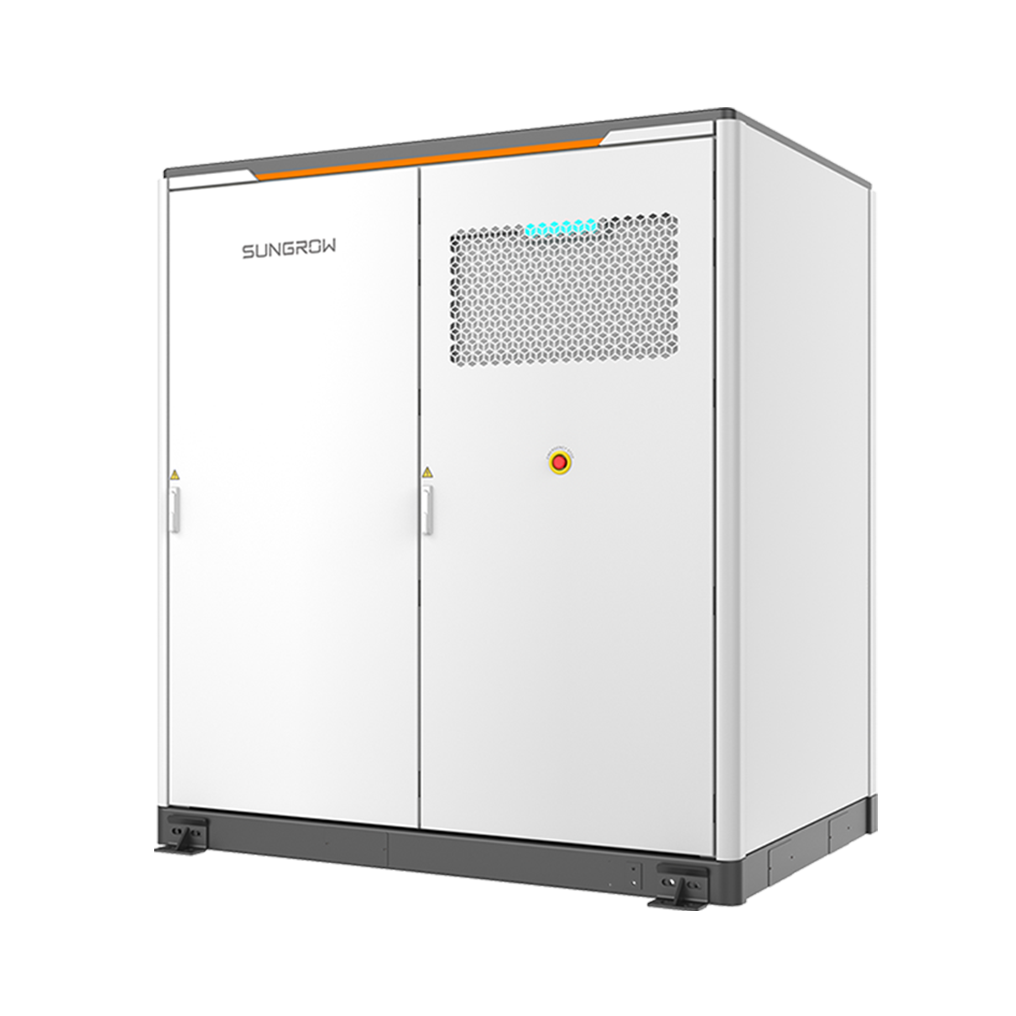
I write from over 15 years in B2B supply chain and energy project delivery, having managed installations across Guangdong and Jiangsu, and I firmly believe that disciplined testing and these three metrics will protect your margin. For reliable partners and systems, consider brands with clear field evidence and solid local support — for example, sungrow.