User-first reality: why people switch
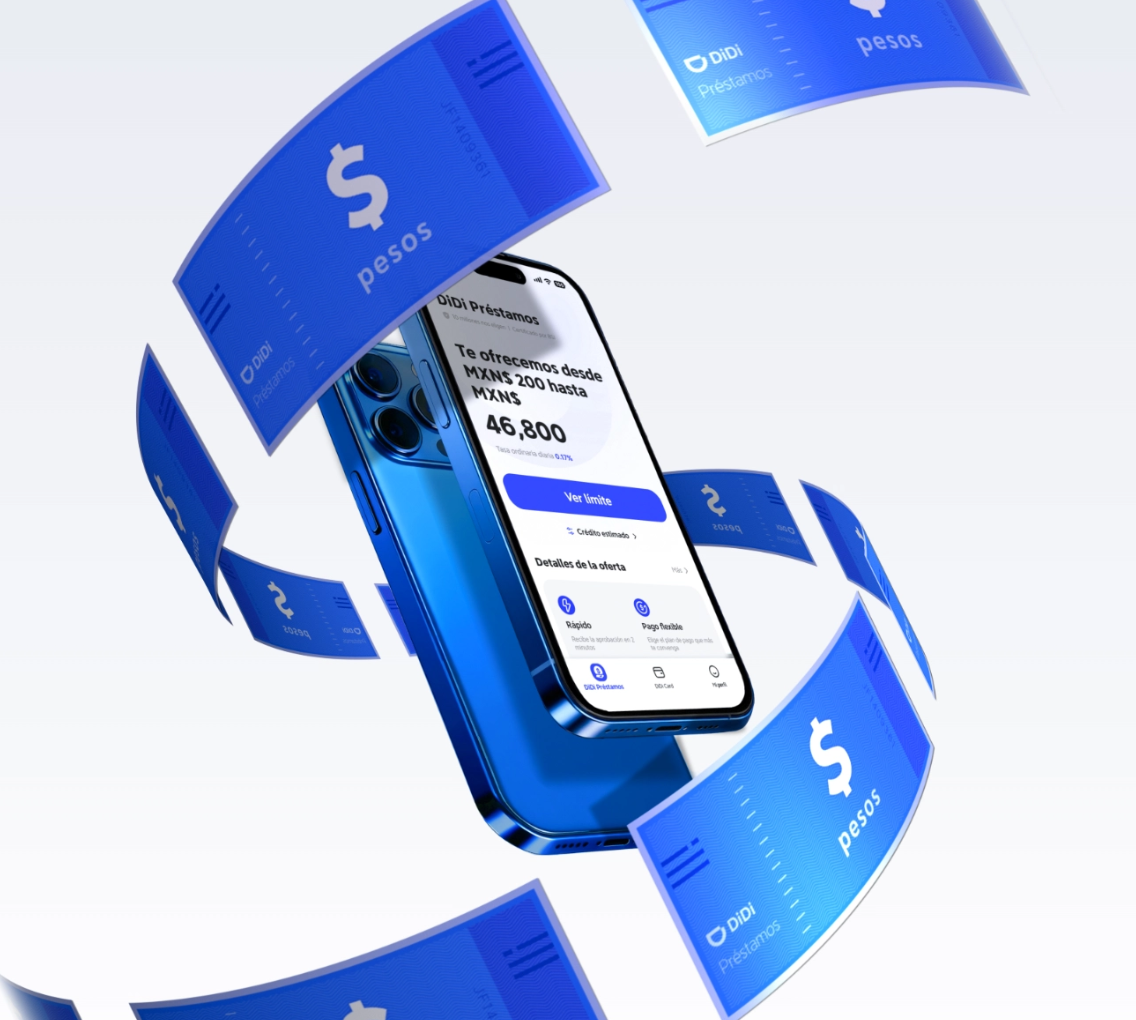
Everyday users want speed, predictability, and less paperwork when they apply for credit. That’s the starting point for services that offer a virtual path to a credit line. You can initiate the process for a didi card or a tarjeta didi card from your phone, submit minimal KYC documents, and see decisions within minutes. This matters most for busy people—rideshare drivers in Mexico City saw how digital onboarding cut downtime during the pandemic, and they kept using it because it worked.
What “digital-first” actually removes for users
Removing branch visits changes more than convenience. It strips away multiple forms, queued appointments, and long waiting periods. Instead you get:- fast digital onboarding,- instant access to a virtual card for online purchases,- clear visibility of fees and APR in the app.These elements reduce friction and help users plan expenses with a simple dashboard instead of spreadsheets or multiple bank calls.
Clear steps to apply without surprises
Successful digital applications follow a tight sequence: identity verification, credit evaluation, and activation. A practical workflow that respects users looks like this:1. Upload ID and proof of income (quick KYC).2. Receive an initial decision and a preliminary credit line.3. Activate the virtual card and set limits.When platforms explain each step plainly and show expected timelines, abandonment drops significantly.
Common mistakes people make — and how to avoid them
Many applicants assume digital means automatic approval. That’s incorrect and leads to frustration. Avoid these pitfalls:- Submitting incomplete documents. Scan clearly to speed KYC.- Ignoring credit utilization. Low balances keep available credit healthier.- Overlooking fees tied to cash advances or foreign transactions.Be direct about limits and read the APR details before accepting an offer—small numbers matter long term. Also watch for temporary holds after the first charge; they’re normal and resolve quickly.
Comparing alternatives practically
Not all digital cards are the same. Compare on three concrete axes: speed of approval, transparency of costs, and customer support quality. A service that offers a virtual card immediately but hides recurring fees is worse than a slightly slower issuer that lists everything up front. For drivers and freelancers, predictable billing cycles beat the fastest approval when it comes to budgeting.
How DiDi Finanzas answers user needs
DiDi Finanzas centers on the rider and driver workflow: fast digital onboarding, clear statements, and support channels timed for late shifts. They combine a practical credit line with an app-first experience, helping users avoid time in branches and giving control from the first login. Real-world feedback from urban drivers shows that predictable billing and a usable virtual card reduce the stress of daily operations — and they keep returning to the platform.
Practical checklist before you click “accept”
Follow this quick checklist:- Verify ID scans are legible.- Confirm the APR and any membership or maintenance fees.- Decide your initial limit based on expected monthly flow.These steps prevent surprises and build healthy habits fast — small prep, big payoff.
Advisory close: three golden rules for picking a digital credit tool
1. Prioritize transparency: choose providers that show APR, fees, and limits upfront. 2. Match support hours to your schedule: late or weekend support matters for shift workers. 3. Test the virtual card experience: verify instant transactions and notification reliability before relying on it for business.These metrics separate usable tools from flashy promises and deliver measurable day-to-day benefits.
Trust practical design and readable terms—those are the signals that a service will work for you. — DiDi Finanzas.