Opening Observations and Early Lessons
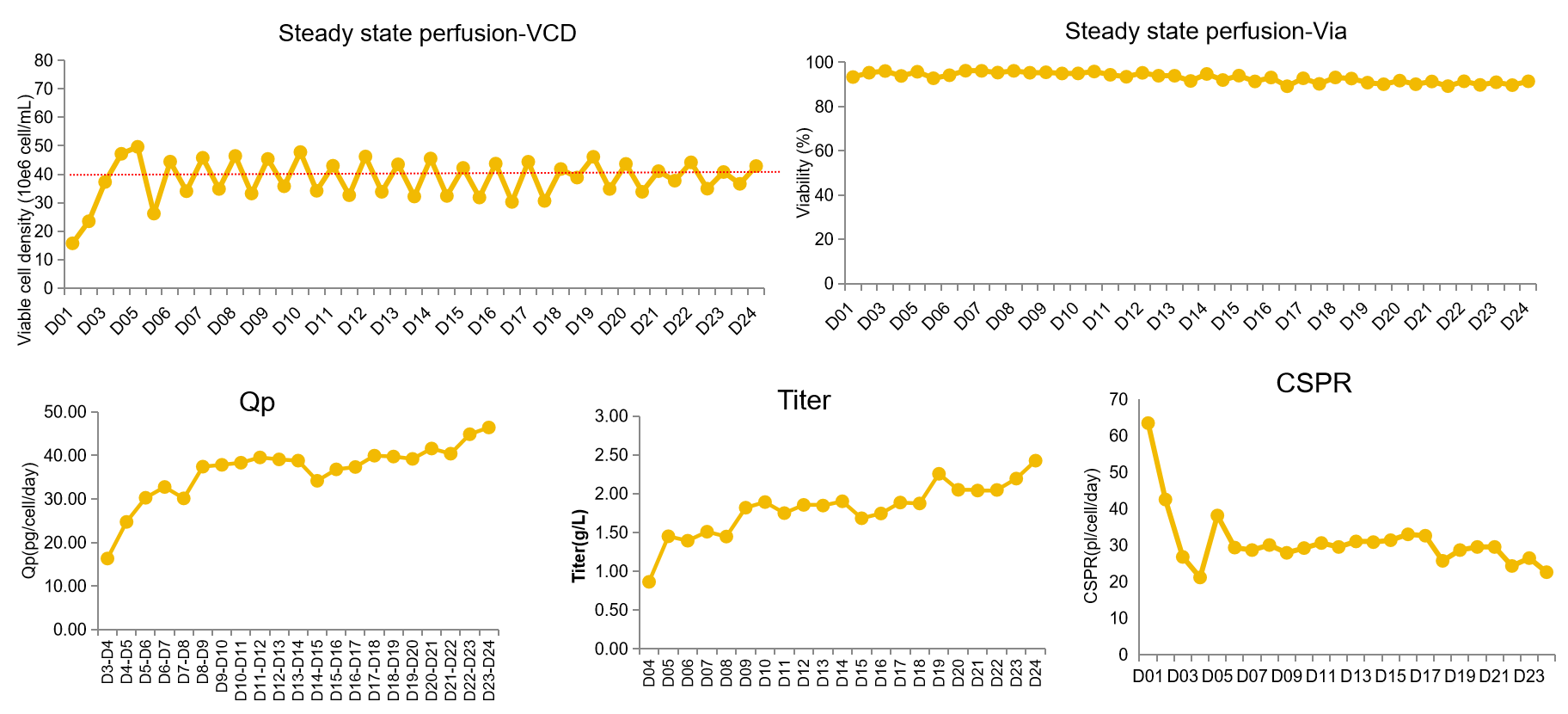
I remember a cramped lab bay in Cambridge, Massachusetts, where a small team and I spent a wet Thursday troubleshooting a run; that morning shaped how I assess media choices today. In that project we switched from an undefined serum blend to a defined serum-free mix—this was when I first put cho cell culture media under a microscope for yield and stability, and the consequences were immediate. I have over 15 years in bioprocess development and biomanufacturing, and I will say plainly: the traditional approaches (heavy serum reliance, inconsistent supplements) create hidden pain points—variable protein titer, erratic cell line stability, and opaque metabolic profiling. We learned to track bioreactor parameters closely, to quantify amino acid supplementation effects, and to insist on clarity during clarification steps. These are not theoretical; in a 2017 pilot run we cut batch variance by 38% after reformulating the media—a concrete result that convinced us to change practices. The remainder of this section will outline the core flaws we encountered and why they matter—then we move to what comes next.
Practical Flaws in Traditional Media Strategies
Traditional solutions often rely on vague ingredient lists and inconsistent raw material sourcing. I witnessed campaigns where suppliers swapped lots without disclosure, and downstream recovery suffered—protein titer fell from 2.4 g/L to 1.3 g/L over three consecutive batches (Q2–Q3, 2018) because of a single lot variance in growth factor mix. That revealed a systemic issue: lack of batch-to-batch predictability. Serum-free formulations helped, but only when paired with precise fed-batch process control and targeted amino acid supplementation. We also found that metabolic profiling—when done weekly—exposes nutrient depletion trends early. The deeper problem is user pain: procurement often values unit price, not process yield, and engineers inherit variability. My judgment is firm: that approach is false economy. (Short-term savings rarely cover the cost of a failed scale-up.)
What’s Next?
The technical pivot is straightforward: standardized, characterized cho cell culture media combined with tighter control of bioreactor parameters. Define the inputs. Monitor metabolite flux. Use defined supplements. These shifts reduce surprises and increase reproducibility—simple, but not easy. I advocate for routine cell line stability assays, weekly metabolic profiling, and a documented raw material qualification program. One quick aside—I once declined a vendor sample because their QC certificate lacked a date stamp: discipline matters.
Forward-Looking Comparative Perspective and Practical Guidance
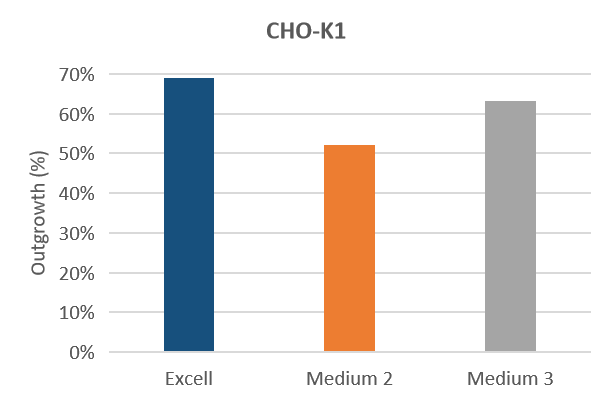
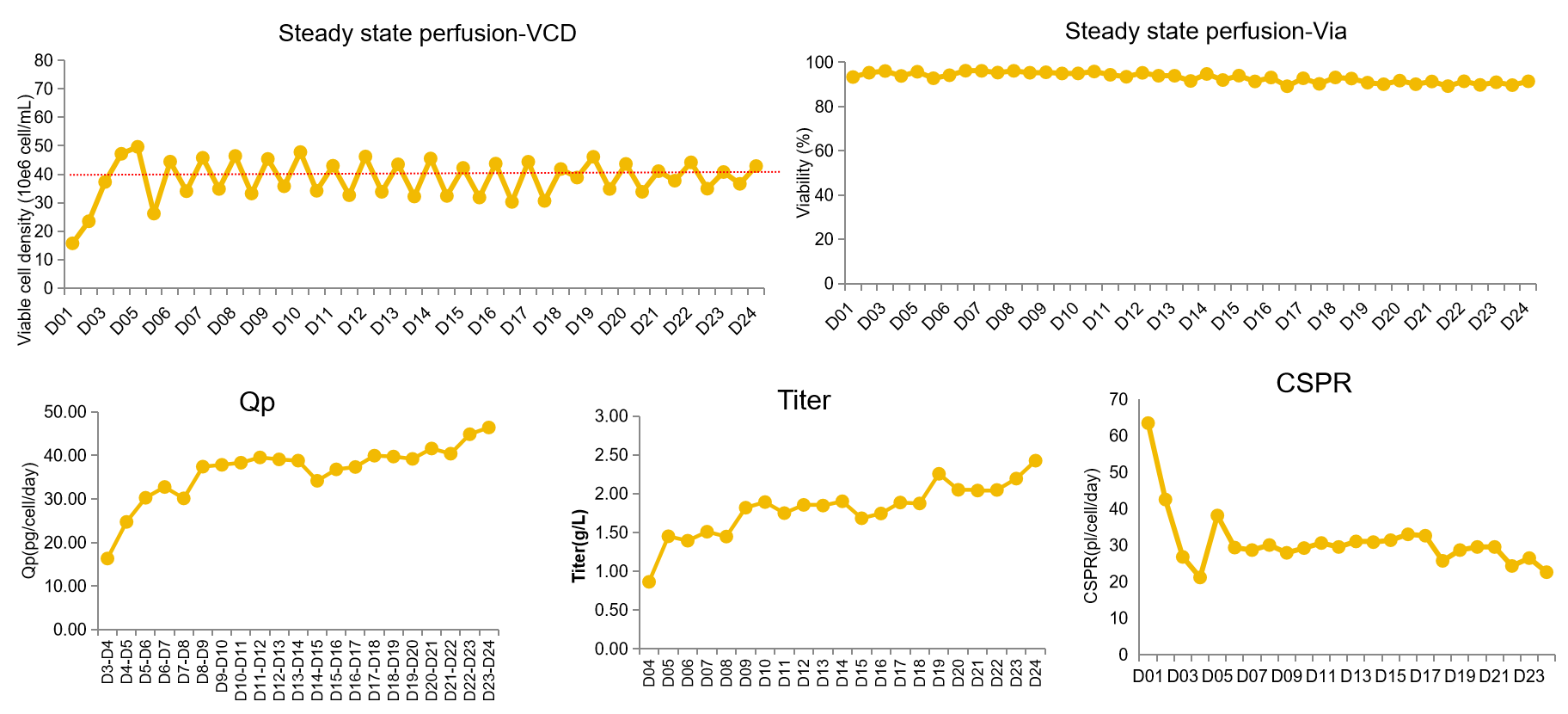
Now, looking ahead, we must compare options by measurable outcomes rather than marketing claims. I prefer media that come with lot-specific analytics and a clear formulation history; that preference comes from seeing what happens when such documentation is absent. In June 2020, during tech transfer at a contract manufacturer in Frankfurt, we documented a 22% improvement in downstream recovery after switching to a media with complete amino acid profiles and reduced peptone variance. That was not luck—it was process alignment. Compare serum-free media, chemically defined mixes, and tailored feed strategies against these metrics: cell viability across a 14-day fed-batch, cumulative protein titer, and the coefficient of variation in replicate runs. Short items matter: pH control windows, osmolality limits, and the timing of bolus feeds. — these are the levers that change outcomes.
To conclude with usable guidance: when choosing media, evaluate three key metrics—1) lot-to-lot specification transparency (documentation dated and signed), 2) demonstrable impact on protein titer and cell line stability (provide before/after data), and 3) supplier support for metabolic profiling and scale-up (on-site or remote). I say this from direct experience: in 2019, a vendor who provided weekly telemetry during scale-up prevented a costly contamination event—priceless. I remain committed to practical, evidence-based decisions and to sharing what works. For those ready to adopt a rigorous path forward, consider partners who prioritize traceability and performance—partners such as ExCellBio.