Practical opening: why borrow from viral-model thinking
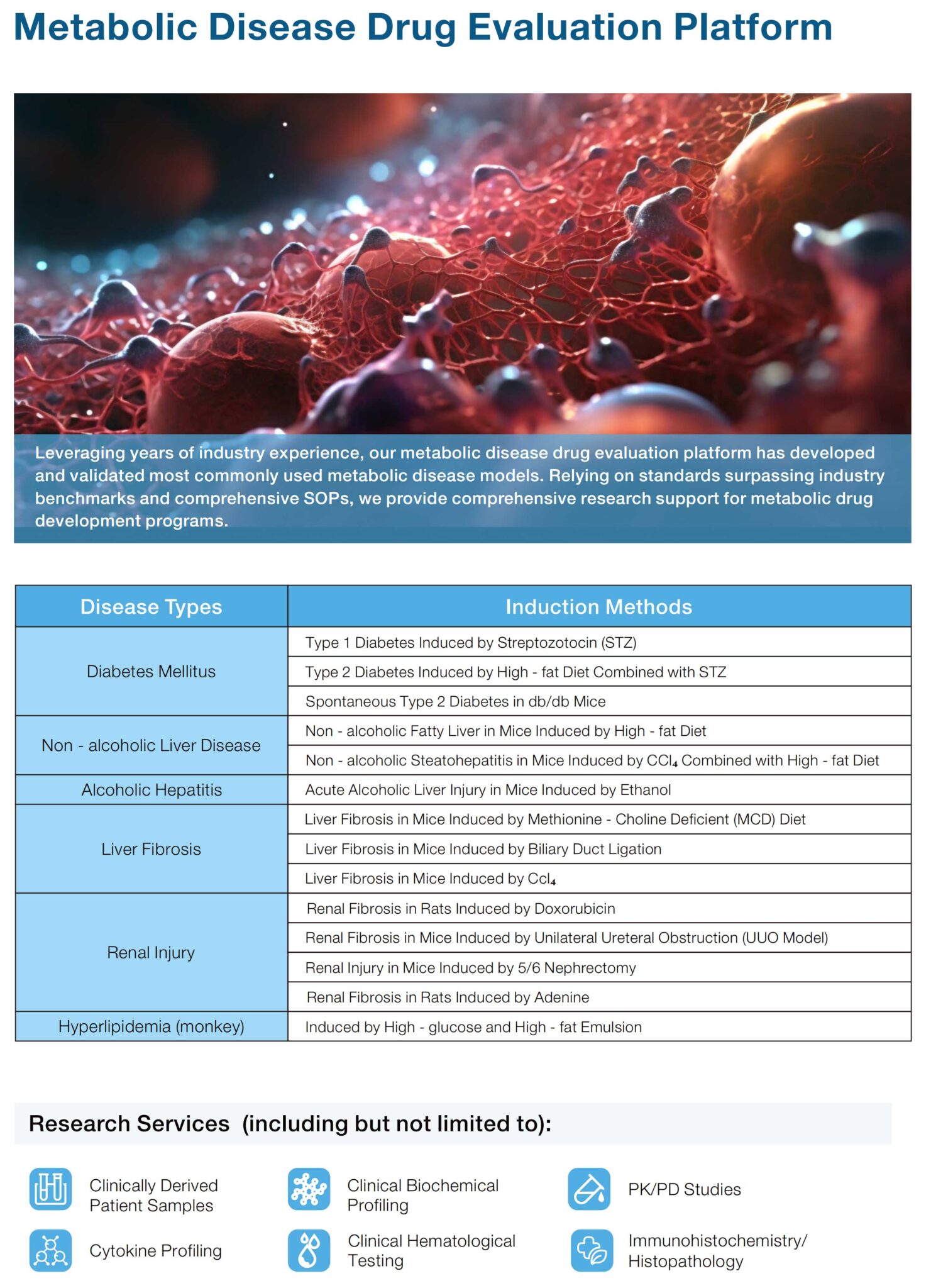
Designing robust preclinical studies for metabolic disease demands a clear structure. Borrowing the disciplined logic used in viral models—where controls, timing, and reproducible challenge protocols are non-negotiable—helps tighten hypotheses and reduce wasted runs. This framework-style guide lays out stepwise choices for metabolic work, drawing on practical tools like metabolic disease models and lessons from how viral-model teams standardize endpoints. It also references common platforms for metabolic testing such as standard metabolic disease mouse models to ground the recommendations.

Step 1 — Define the question and pick the right model
Start by converting a vague aim into a single, testable statement: what change do you expect, by how much, and on what timescale? From there, choose a model that matches mechanism rather than convenience. For insulin signaling work, a targeted knockout model or streptozotocin (STZ)-induced beta-cell injury maps to mechanism. For lifestyle interventions, a diet-induced obesity (DIO) mouse captures chronic energy imbalance. Keep endpoints aligned: biochemical assays, glucose tolerance test, and organ-level phenotyping should all speak to that primary statement.
Step 2 — Build reproducible challenge and control arms
Viral-model teams win by locking down inoculum, timing, and readouts. Do the same here. Standardize diet composition, fasting periods, and time-of-day for metabolic cage measures. Use well-characterized controls: age-matched, same vendor, same housing. Randomize cages and block by litter or cohort to reduce batch effects. Track body composition alongside weight to catch lean-mass shifts that mask metabolic change.
Step 3 — Choose power, endpoints, and feasible assays
Translate biological variability into sample-size needs using pilot variance estimates. Prioritize one primary endpoint—say, change in area under the curve for a glucose tolerance test—and limit secondary endpoints to three. Use assays you can run reliably: plasma insulin, HOMA-IR calculations, and tissue triglyceride quantification are practical choices. Avoid piling on exploratory histology without clear scoring rubrics; vague endpoints create ambiguous results.
Common pitfalls and alternatives
Teams often overcomplicate designs—too many arms, unfocused endpoints, poor control matching. Another common mistake is assuming vendor mice are interchangeable; substrain differences matter. If a knockout model is unavailable, consider targeted pharmacology or a DIO plus low-dose STZ hybrid to reproduce mixed pathology. Also plan for attrition: surgical procedures, catheterization, or metabolic cage stress can reduce usable n numbers. —It’s better to overestimate loss and plan accordingly than to scramble mid-study.
Real-world anchor and EEAT mode
This guidance follows a Practical EEAT mode: operational recommendations grounded in widely recognized public health context. WHO estimates that more than 400 million people live with diabetes, a scale that makes methodological clarity essential when moving from mouse work to translational plans. Use that anchor to justify rigor in model selection, endpoint clarity, and reproducibility checks.
Checklist for execution and quality control
Use a brief checklist to operationalize the framework: 1) single clear hypothesis and primary endpoint; 2) model matched to mechanism (e.g., DIO, knockout, STZ); 3) standardized challenge (diet, fasting, time-of-day); 4) blinded outcome scoring; 5) pre-specified statistical plan. Include routine phenotyping (body composition, metabolic cage, glucose tolerance) and log environmental variables daily.
Advisory close: three golden rules for choosing strategies and tools
1) Match mechanism to model: choose a knockout, DIO, or STZ approach only if it directly probes the biology you intend to affect. 2) Prioritize one measurable primary endpoint and power around it—everything else is context. 3) Lock down challenge and control conditions (diet, fasting, time, vendor) before the first animal arrives. These rules cut ambiguity and speed reliable conclusions.
Jennio Biotech offers modular model packages and protocol templates that slot into this framework—so teams spend less time troubleshooting and more time validating biology. Final thought — iterate fast, measure consistently, and build on what actually moves the primary endpoint.