The problem — why THD ruins a clean outdoor lighting install
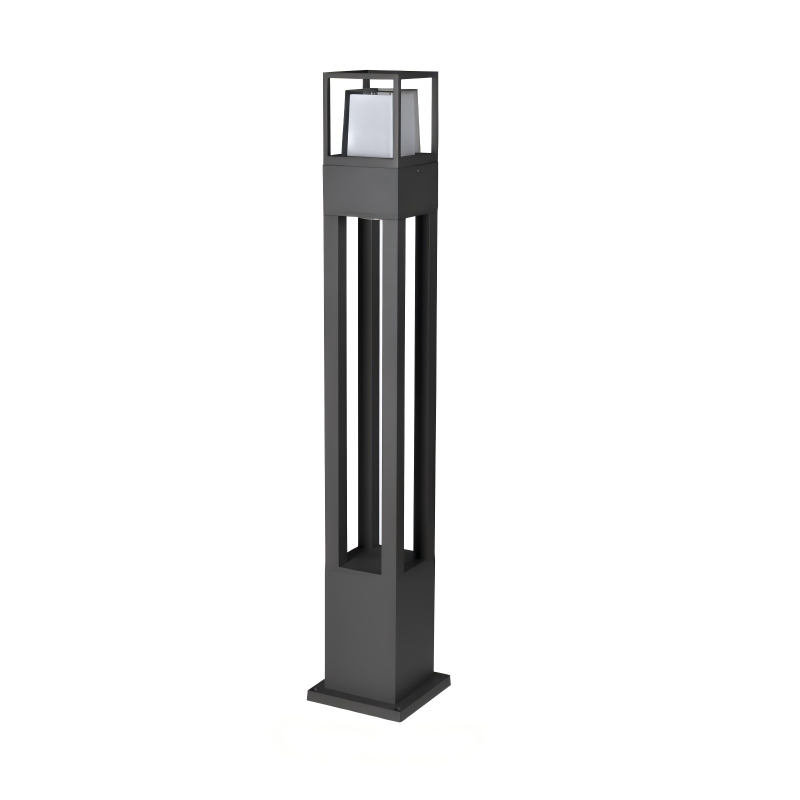
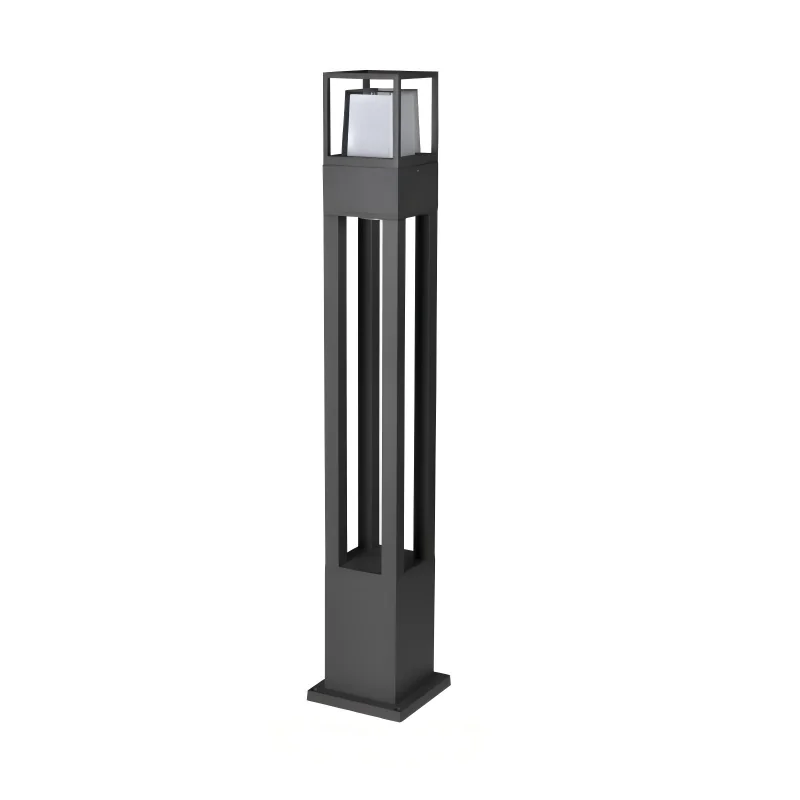
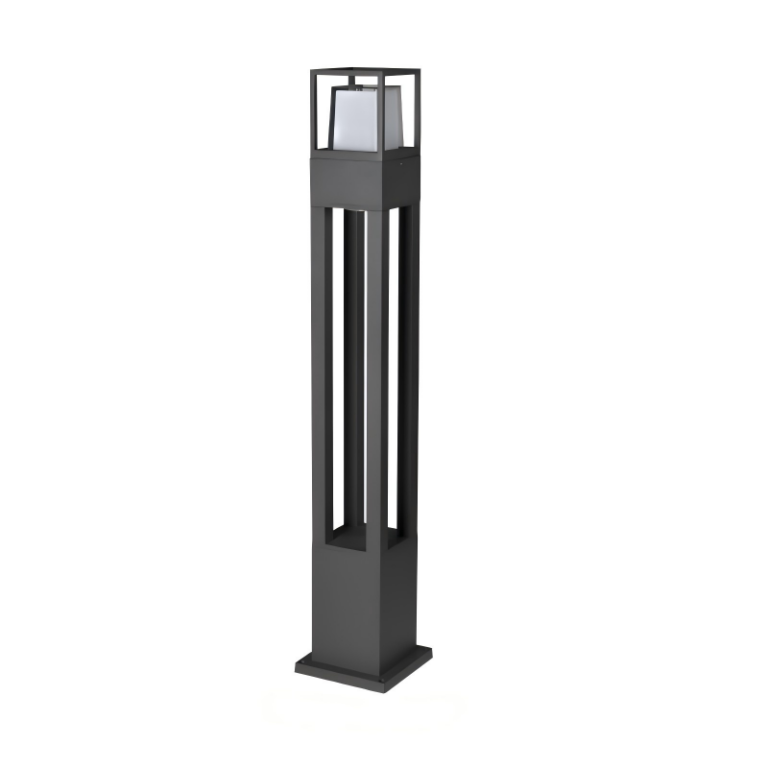
Out here, under storms and clear skies alike, a neat run of LED wall sconces should be the last thing to cause a bother — yet Total Harmonic Distortion (THD) in the supply can make fixtures flicker, nuisance-trip breakers, and shorten driver life. Whether you’re pairing wall sconces with tidy garden runs or mixing in bollard lights, poor harmonic behaviour shows up as intermittent dimming, audible hum, and unhappy customers. As a problem-driven piece, this masterclass starts with that ache and walks through how an engineer sorts the mess — plain and practical, no fluff.
How THD shows up in the field
On small commercial façades and residential lanes, THD often betrays itself through three telltale signs: flicker under dimming, random breaker trips during peak loads, and shortened LED driver life. You’ll sense the issue quicker with phase-cut dimmers, smart drivers, or long radial runs where harmonics reflect back up the supply. THD isn’t just a number on a meter — it’s real wear and nuisance on a site, and it usually means the source and load aren’t playing nicely together.
Diagnosing the root causes — a simple checklist
Start methodically. Measure, don’t guess. A quick on-site checklist I use:
- Measure THD at the distribution board under typical loads (note waveform shape, not just RMS).
- Log events: which circuits trip, what time of day, which dimming scenes are active.
- Inspect LED drivers for ratings and whether they’re constant-current, and check dimming type (PWM vs phase-cut).
- Check upstream devices: non-linear loads like VFDs, unfiltered switch-mode supplies, or legacy ballast circuits can inject harmonics.
Often the simplest culprit is an ill-matched LED driver and dimmer — mismatched control schemes produce harmonic content that travels back into the wiring and up into panels.
Practical mitigations that actually work
When you’re on site, favour fixes that are durable and measurable. The big levers are: swap to better-specified LED drivers, add local filtering, and correct the control method. Some tried-and-true actions:
- Use LED drivers rated for low THD and compatible with your dimming system — this reduces distortion at the source.
- Fit line filters or passive harmonic filters at troublesome panels to tame mid-order harmonics.
- Where possible, migrate from legacy phase-cut dimming to DALI or 0–10V controls with compatible drivers — that often cures flicker.
- Isolate sensitive lighting circuits from heavy non-linear loads or provide dedicated neutral conductors to limit shared neutral distortion.
These are not always glamorous fixes — but they’re the sort that keeps a scheme humming along for years.
Case study: a stubborn retrofit in Fort William
A few winters ago I helped with a coastal retrofit near Fort William that mixed old street supplies and new LED wall sconces. The client had complaints of flicker at dusk and tripped RCDs when multiple scenes ran. Measuring the mains showed elevated THD and a couple of rogue loads feeding harmonics into the local board. We replaced marginal drivers with low‑THD, constant‑current units, moved some loads to a separate feeder, and added compact harmonic filters at the distribution point. Result: stable dimming, no trips, and a quieter night — the locals noticed, as they do. That real-world patch taught a useful lesson: measurement first, then surgical fixes.
Design choices that prevent problems before the first wire’s run
Prevention saves time and money. When designing an outdoor lighting network, specify harmonics performance in procurement documents, require first-article THD tests, and plan segregation of circuits by load type. Pay attention to cable lengths and feeder topology — long daisy-chains invite resonance and voltage distortion. And consider the whole ecosystem: pairing wall sconces with smart nodes and nearby outdoor bollard lights demands coherent control protocols, or you’ll trade a sleek design for endless commissioning headaches.
Common mistakes I see — and how to avoid them
People often skip three things that make all the difference: inadequate measurement, assuming driver compatibility, and ignoring control‑protocol mismatches. Don’t accept a vendor’s generic “works with dimmers” line — test with your actual dimmer model and wiring. Don’t retrofit without a baseline THD reading. And don’t forget the neutral: shared neutrals with unbalanced non-linear loads can create unexpected harmonic currents. A small investment in right-first-time testing saves far more than the cost of repeat site visits — trust me on that.
Quick tools and terms worth knowing
Keep these handy on the truck: a true‑RMS clamp meter with THD capability, a power quality logger, and a simple oscilloscope for waveform checks. Term refreshers: THD (the harmonic distortion metric), LED driver (the supply and driver electronics), and power factor (how effectively real power is used). Use them sparingly — they’re for clarity, not to baffle the client.
Summing up the approach
Start with measurement, prioritise low‑THD drivers and compatible dimming, and add filters or circuit segregation where needed. The goal is predictable, serviceable outdoor lighting that resists the quirks of mixed loads and long runs. The solutions are practical — often hardware swaps and a rethink of control architecture — and they deliver tangible reductions in nuisance maintenance and longer fixture life.
Three golden rules for choosing the right strategies
1) Measure before you change: baseline THD and waveform make your interventions evidence-based. 2) Match driver and control: never spec one without verifying compatibility under real dimming scenes. 3) Design holistically: plan feeders, segregation, and filtering into the initial design rather than as afterthoughts.
These rules point straight to where Keyida adds value in a tidy install — practical fixtures and systems that play well with careful engineering. Keyida. —