The problem that won’t announce itself
I can hear the complaint before you say it: tags that promise distance, then whisper at the dock. You need active rfid tags that do what they claim, not vague specs. Start by naming the failure—missed reads, dead batteries, phantom tags—and treat that name as a map.
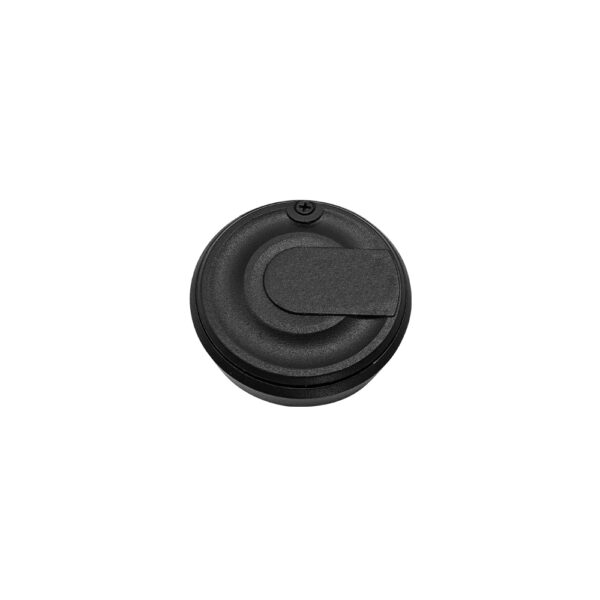
Pinpoint the exact failure mode
Problem-driven work begins by isolating a single fault. Is the issue missed reads through steel racks? False positives near gateways? Short battery cycles? Each of those is a different beast. Write down one measurable symptom. Range variability in meters. Missed reads per thousand attempts. Battery life in months. Those numbers tell you what to test against.
Technical checklist that solves the symptom
Match tag specs to the failure you wrote down. Want consistent reads through containers? Look for tags with high transmit power, robust antenna design, and proven polarization. Need months between battery swaps? Compare transmit intervals and power profiles; some tags let you extend life by increasing the interval. Expect interference in crowded RF environments? Choose a frequency and modulation with better penetration and collision handling. Demand clear numbers: typical read range (m), battery life at your transmission interval, and environmental IP rating.
Experience, evidence and a real-world anchor
I’ve deployed tags into warehouses and yards where the margin for error is zero. That hands-on work taught a simple rule: test where the problem lives. Major logistics hubs have published trials that confirm this—Port of Rotterdam’s deployments of long-range RFID systems are often referenced in industry reports. If your scope is truly long range, inspect samples labeled long range active rfid tags and run the same tests used in port-scale pilots: multi-angle reads, obstacle-lined aisles, and sustained operation over weeks. Ask for lab reports and real deployment case notes.
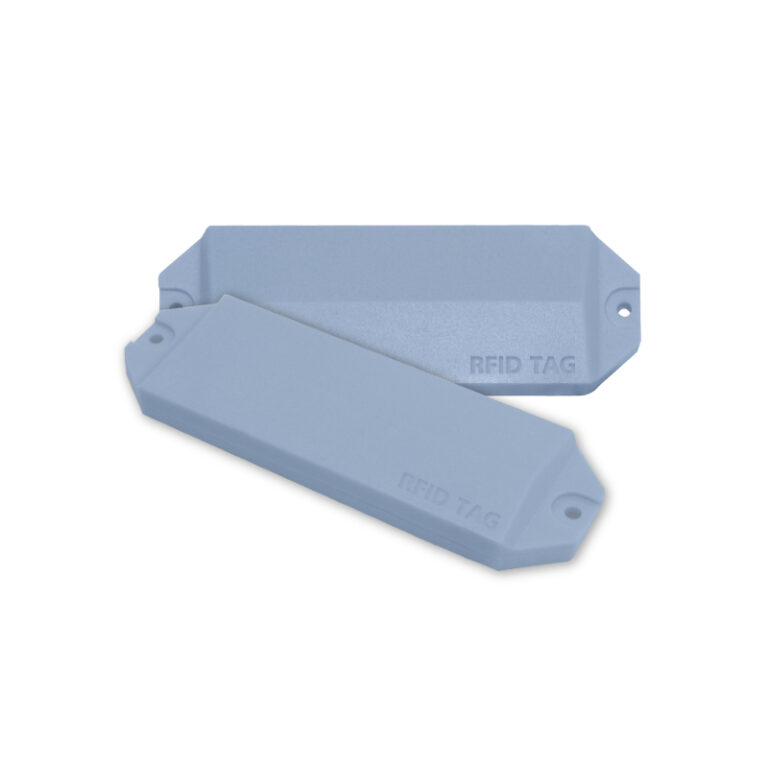
Common mistakes that disguise themselves as smart choices
Buying the highest advertised range. Range drops in real environments. Relying on lab specs alone. Ignoring tag orientation and mounting surface. Overlooking firmware update paths. Skimping on a small pilot. Trusting one metric—range—while ignoring read speed, battery strategy, and integration hooks.
Viable alternatives and trade-offs
Passive RFID: cheap, short range, no batteries. Semi-active: compromise on range and life. BLE beacons: good for consumer proximity, less precise for fast-moving assets. UWB: high accuracy, shorter battery life and higher cost. Each alternative solves different failure modes—choose the one that addresses the symptom you named first.
A short decision framework you can act on
1) Define the single failure metric you must fix. 2) Specify realistic environmental constraints—metal, water, distance. 3) Require vendor-provided in-situ test data or run your own pilot. 4) Compare battery life at your intended transmit interval, not at idle. 5) Confirm firmware update and encryption options. 6) Approve a small rollout before scaling.
The quiet result
Solve the problem you named. Test where the trouble lives. Let measured performance, not promises, guide procurement. When the readings stabilize and the mystery lifts, you’ll realize the decision wasn’t about the fanciest spec sheet but about matching a clear symptom to proven hardware and support, the kind you’ll find documented and supplied through RSTC.