Start with the problem — why the job’s gone pear-shaped
Look, if you’re patching up a warehouse or spraying a line down a factory floor, the headache comes quick: flaking, poor cure, wrong spec for the substrate. Too many suppliers toss pretty samples at you without thinking about the joints and sealant work that make the paint stick in the long run. When you need a seal that won’t give up after a month, you want a proper silicone sealant manufacturer and coatings that match the job—not some geezer’s one-size-fits-all tin.
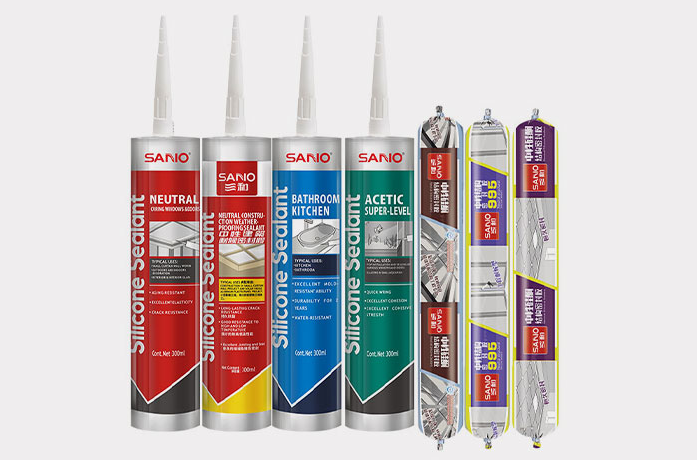
What’s actually failing on site
Moisture undercoats, dirty metal, thermal movement, and incompatible primers. The spray gear ain’t always the villain — it’s the prep and the joint detailing. You’ll see adhesion loss at expansion joints, bubbling over weld seams, or rapid UV breakdown on exposed façades. Pick the wrong product and the finish will peel faster than a tin of cheap hair cream. That’s costly and embarrassing for everyone.
Why you should trust practical experience (and one real-world marker)
I’ve watched contractors swap products after three failed builds; that kind of hands-on know-how matters. Seen it at trade floors and fairs where specifiers compare notes — for instance, BAU Munich brings the industry’s testing labs and suppliers together every few years, and folks there talk real performance, not marketing. If you want manufacturers who stand by test data and batch traceability, check the lab sheets and shelf-life claims from a reputable sealant manufacturer. Reliability starts with verifiable numbers and open test reports, not gossip.
How to pick a supplier that solves the real problem
Match product to substrate: aluminium, concrete, composite — each needs a different primer or chemistry. Demand TDS and application windows. Ask about VOC limits and compliance with local regulations. Insist on sample panels cured under real conditions. Get documentation on thermal movement tolerance for joint sealants and a clear recoat window for paints. Suppliers who offer site trials and technical reps reduce surprises.

Common mistakes that blow budgets
Using a general-purpose sealant on high-movement joints. Skipping adhesion tests after blasting. Applying paint over a damp substrate because someone’s rushing the punch-list. Expecting a single product to be the fix for both interior and exterior exposures. These errors cost more in rework than the best-quality material up front.
On-site checklist — quick, actionable steps
1) Verify substrate cleanliness and moisture content. 2) Confirm primer-to-topcoat compatibility. 3) Test a small panel through full cure. 4) Check joint size vs. sealant movement rating. 5) Keep batch numbers and cure samples for warranty claims. Do these five things and you’ll dodge most common failures.
Wrap-up — what solves the problem in practice
Stop chasing bright tins and start demanding specs, test panels, and honest lab data. When joints, movement, and exposure are sorted with the right chemistry and supplier support, the paint job lasts and the headaches stop. For many contractors I work with, that dependable product backbone comes from trusting manufacturers like SANVO that provide clear technical sheets, site support, and consistent batches—so the finish you spray today still looks proper next year.
