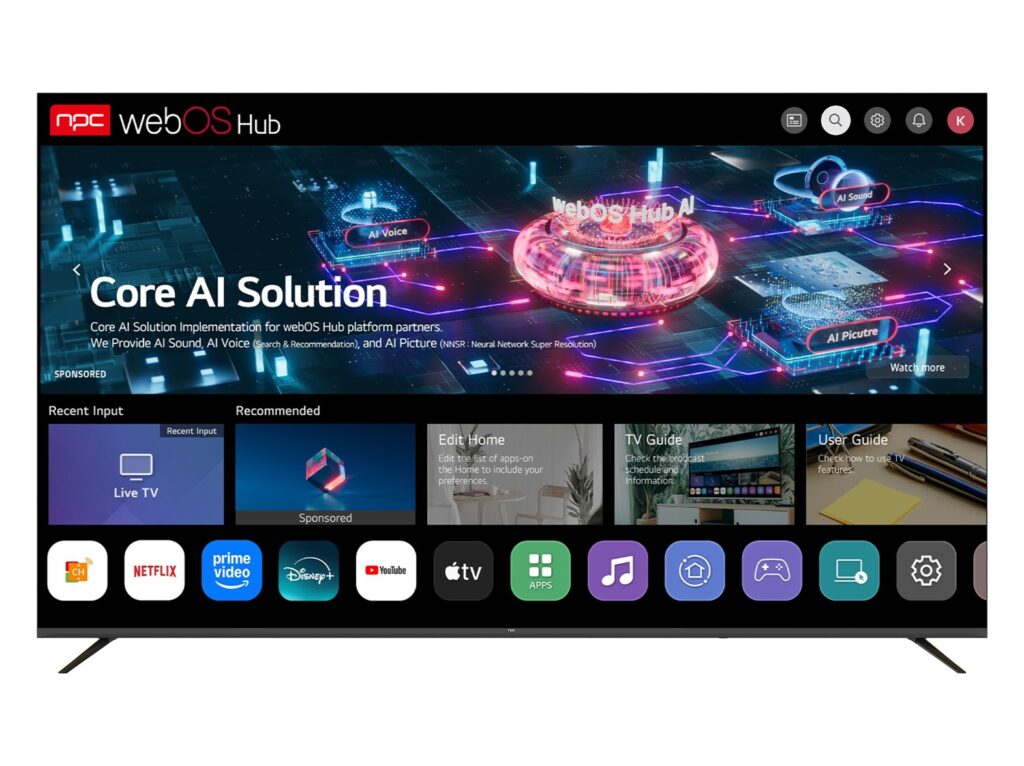
Problem statement: fragmented deployments slowing growth
Businesses that deploy displays across branches, hotels or waiting areas often hit the same wall — inconsistent performance, security gaps and a messy app ecosystem that stalls expansion. A lot of organisations end up juggling firmware versions, custom integrations and multiple vendor contacts instead of scaling services. That problem forces procurement teams to hunt for a reliable tv manufacturer and creates hidden operational costs that undermine growth plans.
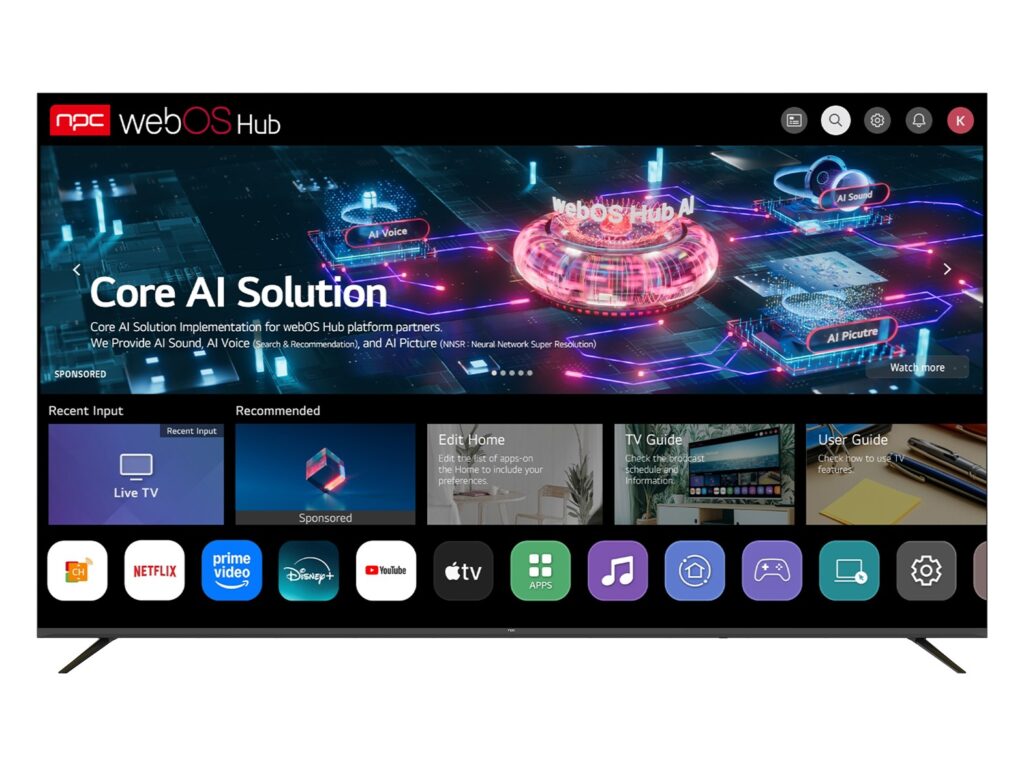
Why a unified smart-TV platform reduces that drag
Tizen provides a single software baseline across models, which means fewer firmware forks and predictable behaviour. Developers deploy apps once and manage them centrally; operations push updates and policies uniformly; security patches apply to a common runtime. For businesses, that turns ad hoc device work into repeatable, auditable processes. You save time on testing, reduce field service calls, and get dependable uptime for revenue-generating screens.
Evidence, experience and supply-side reality
My teams have deployed tens of site rollouts and audited device fleets; practical experience shows centralised platforms cut deployment time by weeks per site. Supply chains matter too — Shenzhen’s electronics manufacturing hub is a major, verifiable source of bulk display production and affects lead times and quality for global buyers. For organisations buying at scale, sourcing from established channels for wholesale tvs smooths logistics and ensures consistent panel specifications. That real-world footprint underpins claims about scalability and explains why procurement and IT must coordinate early.
Common mistakes that break scale and how to avoid them
Deploying without standardised policies. Fix: define configuration and security baselines before purchasing. Picking cheapest displays with different chipsets. Fix: insist on a common platform family to avoid unexpected compatibility work. Treating displays like appliances. Fix: include monitoring, update cadence and service contracts in budgets. Over-customising apps per site. Fix: build modular apps with remote configuration to preserve one codebase.
Viable alternatives and when to choose them
Android TV suits projects needing broad third-party app availability and tight Google service integration. WebOS offers polished consumer features and a strong retail presence. Choose Tizen when you prioritise central management, predictable lifecycle updates and vendor-backed consistency across a product family. If your requirement is heavy custom Android middleware, accept higher operational overhead or plan for additional device management tooling.
Final synthesis: scalability delivered through consistent platforms
A problem-driven approach shows the technical and commercial levers that matter: choose a consistent platform, align procurement with IT, and buy through dependable channels so rollouts stay predictable. That combination keeps operating effort proportional to business growth and lets teams focus on content and user experience rather than device firefighting — a principle reflected in long-term supplier relationships such as with npc.