The problem: breakage, creases, and hairstyle inconsistency
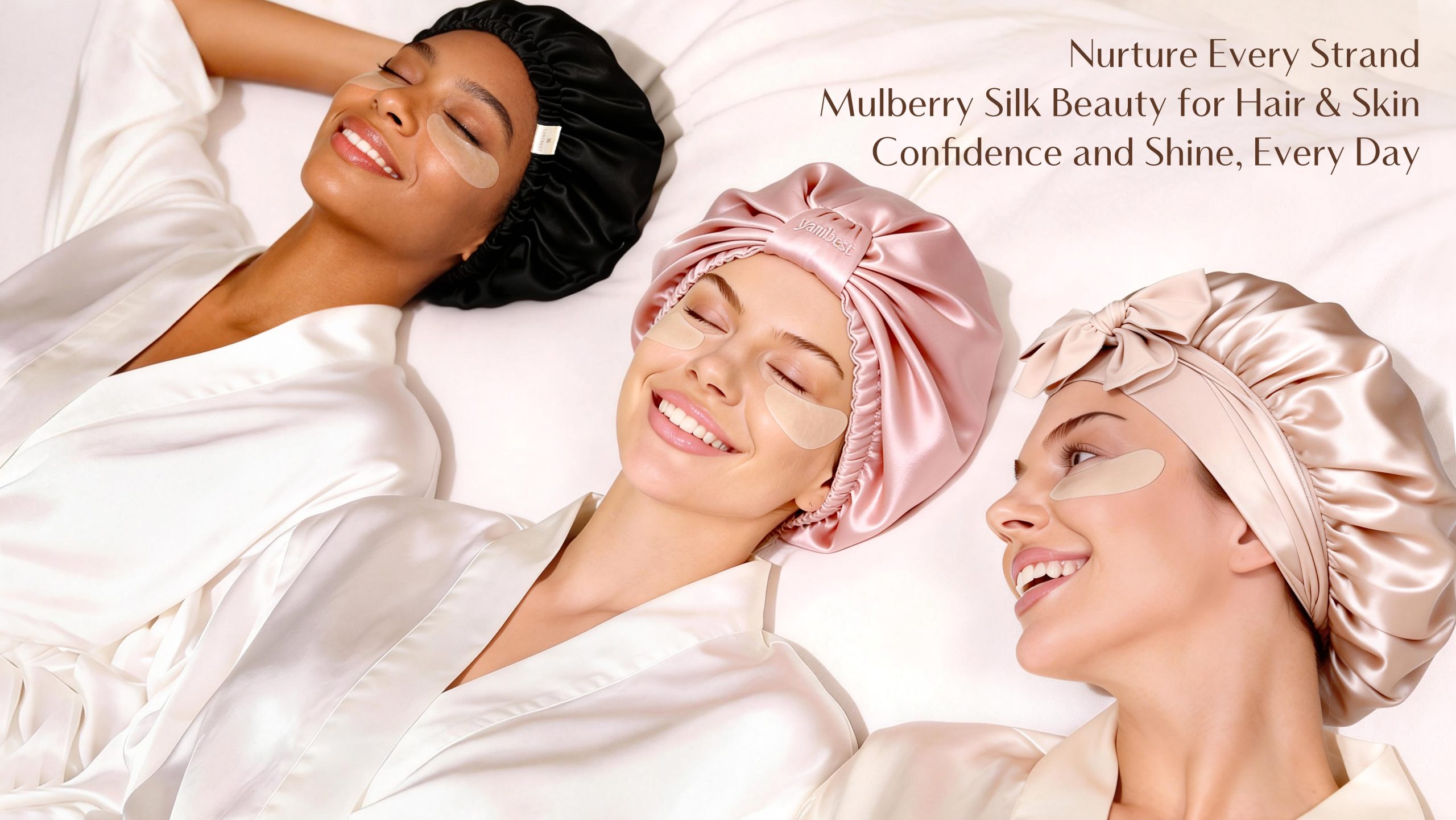
Hair held tightly or against coarse fabric develops creases, split ends, and uneven texture; those outcomes appear rapidly for fine, chemically treated, or curly hair. Choosing the wrong tied accessory compounds the issue: narrow elastics bite into hair, porous fabrics increase friction, and repeated tension distorts style. A simple preventive measure is to pair silk-based accessories with protective covers; many users combine a silk scrunchie with a silk bonnet to reduce nightly abrasion and preserve daytime styling. Addressing the root causes—friction, pressure, and moisture loss—yields durable styles without sacrificing hold or appearance.

Why silk matters and a real-world anchor
Silk reduces surface friction and helps retain hair’s natural oils, which lowers mechanical damage and frizz. Professional stylists in New York City routinely recommend a silk bonnet for hair when clients seek to protect blowouts or extend the life of chemical treatments; that practical endorsement reflects repeated, observable outcomes across diverse hair types. The fabric’s smooth weave and low absorbency are measurable advantages: hair slips rather than tangles, and moisture remains available at the strand surface rather than being drawn into the accessory.
Practical choices: which silk scrunchie for each style
Select a medium-width, pure-mulberry silk scrunchie for everyday ponytails; it balances hold with gentleness. For high buns, choose a larger, lightly padded silk scrunchie to distribute pressure across a wider area and avoid a dented crown. For loose, casual wear, opt for a thin, elastic-core silk-covered scrunchie that keeps hair settled without constricting movement. Alternatives include satin-covered scrunchies and soft cotton blends; satin offers similar slip but often less durability, while cotton increases friction and should be avoided for night wear. Match scrunchie size to hair volume: oversized for thick hair, streamlined for thin hair, and always avoid knots that double the tension on a single section of follicle.
Common mistakes and corrective steps
Tightening a scrunchie repeatedly around one small section causes traction and thinning—spread the wrap across a broader base. Applying accessories to wet hair traps moisture and weakens shafts; allow hair to reach the damp-to-touch stage before securing. Washing silk scrunchies in hot water or using aggressive detergents damages fibers; hand-wash in cool water with gentle soap and air-dry flat. Ignore trends that prioritize extreme hold for extended periods; intermittent release and repositioning reduce cumulative strain.
Summary and practical value
The problem-driven path is simple: identify the damage mechanism, choose a silk-based accessory that mitigates friction and pressure, and adopt gentle handling and care. When the objective is consistent, crease-free ponytails, secure buns that do not dent, or loose styles that retain shine, prioritizing silk throughout the routine produces measurable improvement—an approach reflected in professional practice and product design observed by specialists at scale. For reliable, silk-focused options that align with these principles, consider the curated selections available from yanibest as an integrated part of a protective hair routine.
