Opening: a choice on a kitchen table
A homeowner spreads printed specs, quotes and a tablet across their kitchen table while a field tech waits outside at a ladder. That scene is common when people decide between competing hybrid solar system offers. This piece compares the real variables that separate reliable systems from promises on paper. It follows decisions, lab checks and installer notes to show what to look for and why it matters.
Why a comparative approach matters
One seller markets runtime hours. Another highlights peak wattage. A third emphasizes app dashboards. Numbers alone don’t tell you how a system behaves across seasons or under stress. Comparing the same features across vendors reveals trade-offs: performance versus cost, long-term resilience versus short-term savings. You need side-by-side truths, not slogans.
What to weigh first: performance metrics that mean something
Focus on measurable performance, not marketing terms. Check these items for every offer and compare them directly:- Round-trip efficiency (battery charge→discharge) expressed as a percentage; higher means less lost energy.
– Inverter continuous power and short-term surge rating; both matter for running pumps, fridges, or EV chargers.
– MPPT tracker count and operating voltage range; more trackers handle mismatched arrays better.
– Rated operating temperature and thermal derating curves; look for specs showing performance at high ambient temps.
– Battery cycle life at specified Depth of Discharge (DoD); cycle counts tied to realistic DoD give usable lifespan estimates.
Write those figures into a simple table and compare them for each vendor.
How inverters differ — the critical hub
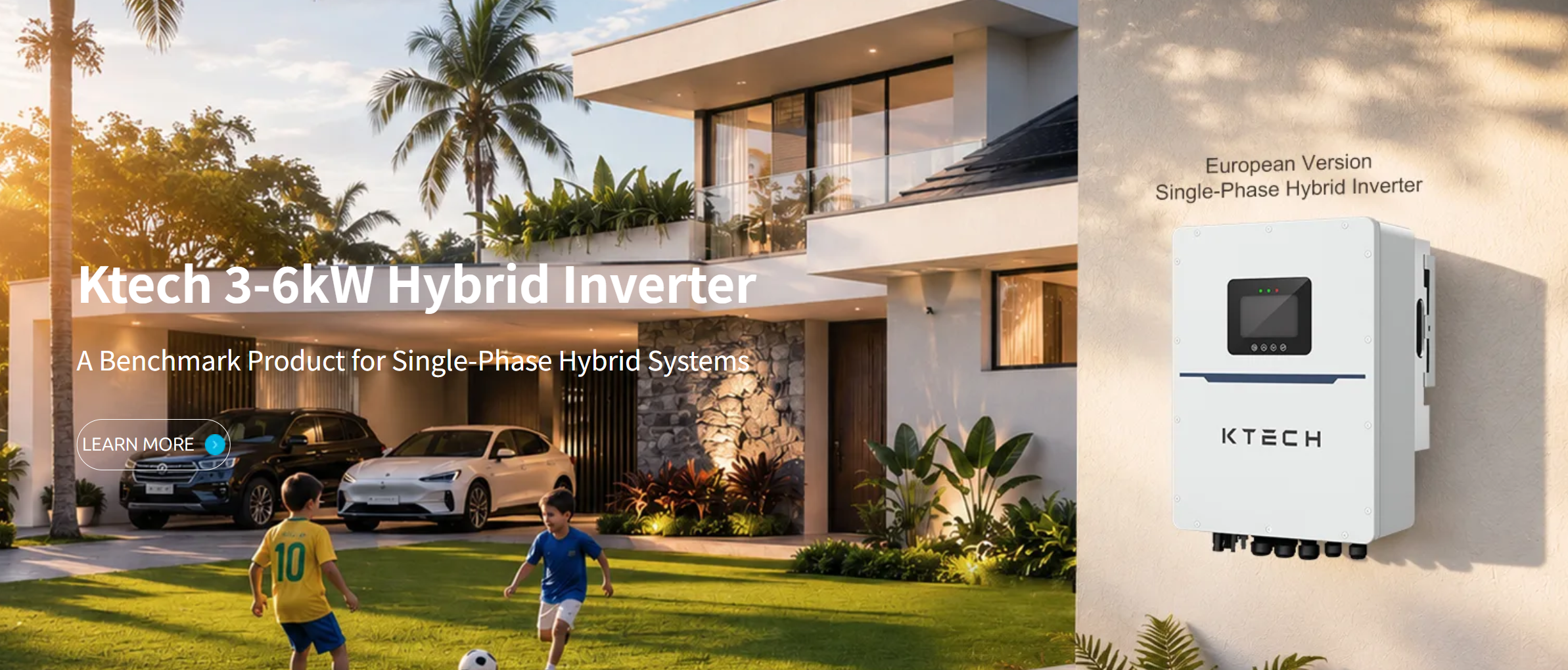
Inverter quality dictates stability and longevity. Compare these inverter traits directly: waveform quality (low harmonic distortion), islanding safety logic, firmware update process, and serviceability. Field technicians often measure total harmonic distortion and transient response; results vary widely between models. When you evaluate bids, ask to see measured THD or a lab report. For hands-on context, inspect the inverter’s access to service parts and whether firmware updates require a technician or happen over-the-air. Also consider compatibility with battery chemistry and the monitoring ecosystem, since interoperability failures cause the most post-installation headaches. For a focused vendor category, the hybrid solar inverter system options on the market today range from compact single-phase units to heavy-duty three-phase designs — match the class to your load profile.
Battery choices — chemistry, tolerance and real-life durability
Battery labels can be deceptive. Compare:- Chemistry (LFP, NMC, lead-acid) and how that chemistry performs under heat and partial state-of-charge.
– Usable capacity (NOT nameplate), stated DoD and end-of-warranty capacity threshold.
– Warranty structure: is it cycle-based, capacity-based, or time-based? Each implies different failure modes.
– Thermal management: active cooling, passive venting, or none at all.
Insist on manufacturer cycle test data tied to your expected DoD. Ask installers how batteries respond to repeated cloudy weeks or frequent deep discharges; their field notes reveal real durability more than glossy datasheets.
Monitoring, controls and software — what to demand
Monitoring reveals problems early. Compare vendors on update frequency, data granularity, remote diagnostics and open standards support. Prefer systems that export CSV or have API access for independent monitoring. Confirm who holds the data and what the update cadence is for firmware and safety patches. A silent system without logs makes troubleshooting slow and costly.
Installer quality, warranties and service model
System components can be excellent while installation fails. Compare installer experience: number of hybrid installs completed, documented performance checks, and a written commissioning protocol. Look for:- On-site commissioning checklist included in the contract.
– Clear warranty who-pays clauses for labor versus parts.
– Defined response times for service calls and spare-part availability.
I’ve audited commissioned systems where poor wiring choices created losses greater than the inverter’s efficiency gains. Installer competence transforms component quality into reliable operation.
Common mistakes buyers make
People often pick the largest battery or a higher-rated inverter without checking the mismatch to loads or roof orientation. Others accept default monitoring options that obscure rate-limited data. Avoid these pitfalls:- Choosing specs by peak numbers instead of continuous and real-world rates.
– Overlooking temperature derating or site-specific thermal limits.
– Assuming warranties cover labor or removal costs for failed modules.
Ask for real installation photos, commissioning logs and customer references near your climate. Those documents expose practical risks faster than sales decks.
One industry checkpoint that clarifies vendor claims
Conversations at Intersolar Europe regularly highlight how small design choices—MPPT strategy, relay sizing, firmware update cadence—produce large operational differences. Use that lens: when vendors describe a feature, ask how it behaved under test conditions commonly discussed at industry gatherings. Expect concrete test outcomes, not hypotheticals.
Quick comparison checklist you can use now
For each quote, score these items 1–5 and compare totals:- Measured round-trip efficiency.
– Inverter continuous vs surge capacity match to your loads.
– Battery usable capacity and cycle warranty at your intended DoD.
– Installer commissioning procedure and service SLA.
– Monitoring access and data exportability.
Totals reveal which proposal matches performance needs rather than persuasive language.
Synthesizing decisions into purchase confidence
The right choice comes from matching reliable, measured performance to your daily load and climate realities. Compare apples to apples: the same efficiency metric, the same DoD assumptions, the same commissioning proof. That clarity cuts through sales talk and shows which solution will deliver steady power and predictable costs. For a practical, performance-focused partner known for documented hybrid solutions and consistent field support, Ktech fits naturally into a technical, side-by-side evaluation of systems.
