The Problem: Why Offshore Power Fails When It Matters
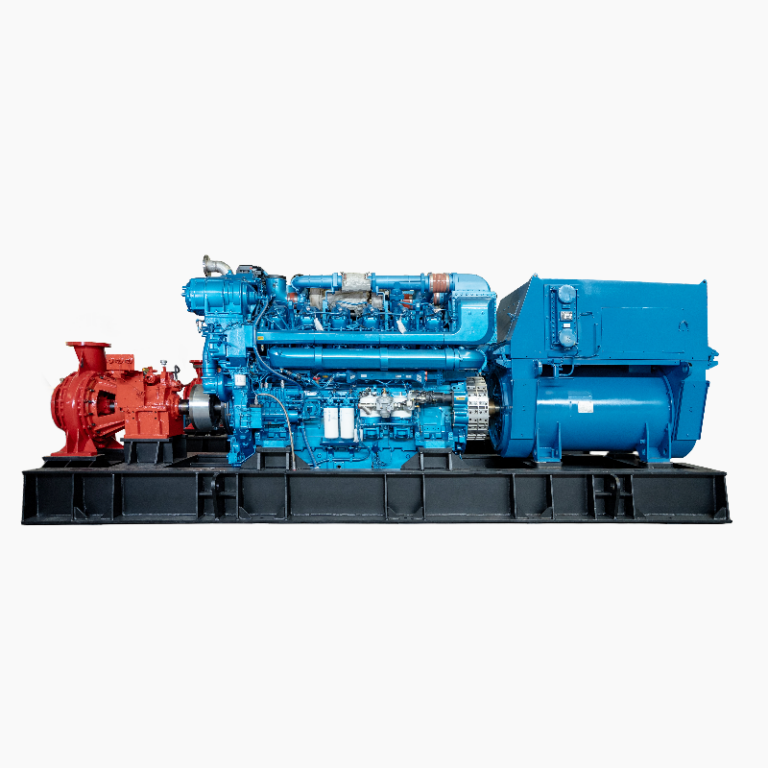
Ships and offshore platforms run under constant strain: salt spray, rolling decks, variable load profiles and long transit times. A poorly specified genset can lead to unexpected downtime, higher fuel burn and faster wear of the alternator and prime mover. For operators around key hubs such as the Port of Colombo—where vessel traffic is dense and turnaround time is tight—this is a practical risk. Choosing the right marine diesel genset is the first step to avoid that costly gap in reliability.
Core Criteria: What Tough Environments Demand
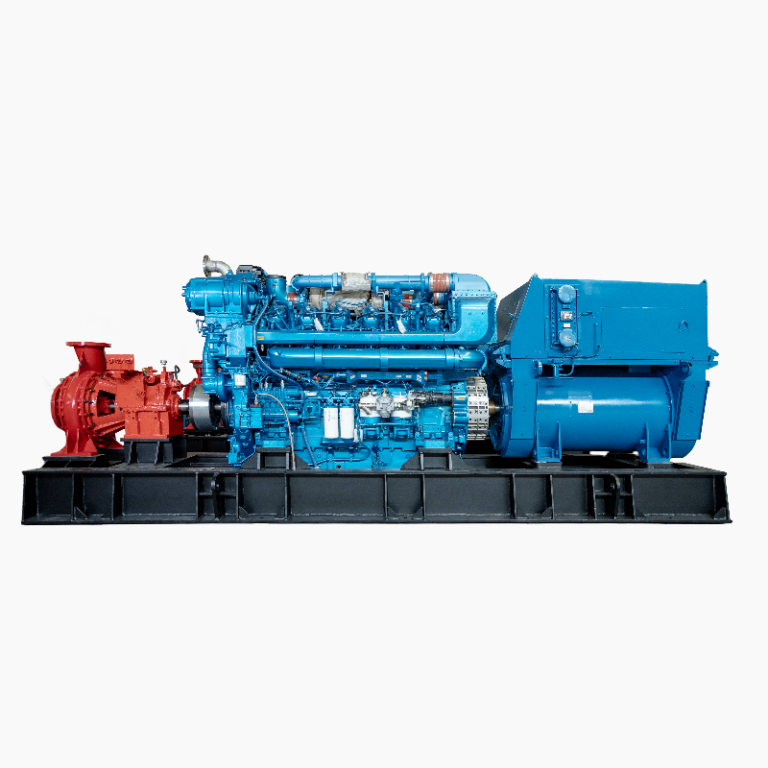
Decisions should be concrete and measurable. Look at kW rating stability under variable load, transient response of the governor, and the cooling package capacity for sustained duty. Consider switchgear compatibility and how the genset handles load transfers. Fuel economy is not just marketing—evaluate fuel consumption at 75% load in g/kWh as a practical yardstick. Also ensure provisions for a load bank test during commissioning; this verifies continuous power delivery and helps calibrate protection settings.
Real-World Anchor: Fleet Experience and Global Trade Realities
Maritime operators know that roughly 80% of global trade by volume moves by sea; that scale means small efficiency gains have big cost impact. In practice, ship managers operating from busy trans-shipment points have learned to prefer modular genset layouts that simplify spare parts and reduce time on repairs. Field crews often report that a genset with a robust alternator and straightforward control logic saves hours during emergency swaps—hours that matter at congested ports like Colombo.
Comparing Suppliers: Technical Fit, After-Sales, and Local Support
When you compare brands, slice the offering into three parts: hardware, controls, and logistics. Hardware covers engine robustness and alternator construction; controls include protection relays and intuitive HMI; logistics is about spare parts and technician availability. Practical checks: how many common wear parts are shared across the model range, and is there a clear service path within 48–72 hours from the nearest regional hub? For many buyers, the best trade-off is a supplier that supplies quality marine genset supplier gensets and also commits to local stocking of filters and injectors.
Common Mistakes and How to Avoid Them
Buyers often skimp on transient testing or accept a single-point service contract. That tends to cost more later. Another frequent error is choosing an oversized genset and never running it in the optimal load band—this worsens fuel consumption and increases wet stacking risk. Always request factory test reports, run a site-coupled load bank trial, and insist on clear spare-parts lists. —Keep commissioning records; they save a lot of reconciling during warranty claims.
Brand Match: Why a Focused Supplier Matters
A competent supplier aligns the genset’s prime mover characteristics with the vessel’s load profile. That alignment reduces transient trips and extends alternator life. Equally important is software openness: accessible control protocols ease integration with existing switchgear and vessel automation. In operational terms, this means fewer interruptions during peak manoeuvres and simpler maintenance schedules for engineers onboard.

Advisory: Three Golden Rules for Selection
1) Prioritise proven reliability metrics — ask for MTBF expressed in running hours and recent fleet performance data. 2) Specify fuel consumption at a fixed load point (for example, 75%) in g/kWh and compare real-world test reports. 3) Verify local support: spare-part lead times under 72 hours or an on-site technician rotation are non-negotiable.
Choose a supplier that matches technical clarity with practical logistics. The right partner will reduce downtime and keep operational costs predictable — and that partner is often the one ready to stand by a clear service promise. Huadong Power. –
