Start with the problem, not the dashboard
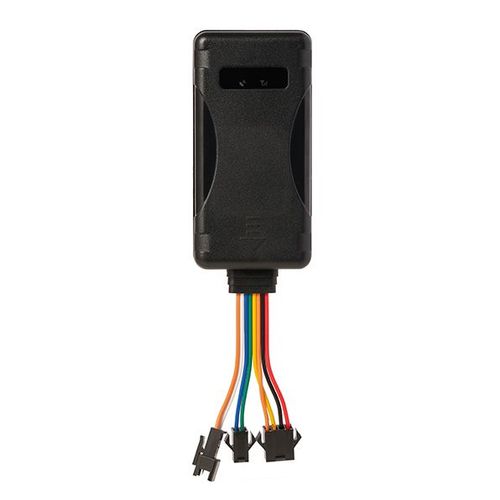
Too many fleets drown in numbers and still can’t answer one clear question: are my vehicles making money or wasting it? Start by admitting the gap—raw GPS pings don’t equal insight. Use reliable GPS fleet trackers to stop guessing, and pick a single reporting need first. Years of running a municipal fleet in Austin, Texas taught me that simple, focused data beats endless telemetry every time; pair that clarity with the right fleet management gps tracker and you get usable facts instead of noise.
Why tracking the wrong things hurts
Collecting everything creates alert fatigue, bloats storage, and hides signals. When teams chase every metric, they ignore the one that moves the needle. Worse, inconsistent definitions make monthly reports impossible to compare. Fixing this starts by naming the operational problem you need to solve—late deliveries, fuel overruns, or downtime—and stopping data that doesn’t answer that question.
Core metrics that actually solve problems
Target these categories and translate each into a clear question you want answered:- Location & route adherence: “Did the vehicle follow the assigned route?” – Trip start/stop times and dwell: “How long was each stop, and why?” – Idle time and engine-on time: “Are drivers idling more than a defined threshold?” – Fuel usage and refuel events: “Is measured consumption matching expected consumption?” – Fault codes & engine diagnostics: “Which vehicles need maintenance now?” – Harsh events (braking, acceleration): “Are risky behaviors clustering with specific shifts?” – Utilization and hours-of-service: “Are assets underused or over-deployed?”
Set practical thresholds and reporting cadence
Don’t report everything in real time. Match cadence to decisions:- Real-time alerts for safety or theft. – Hourly or shift reports for driver behavior and idle time. – Daily summaries for fuel and utilization. – Weekly maintenance snapshots for diagnostics. Pair each cadence with one clear owner who acts on the data within the reporting window.
Implement a lean reporting stack in four moves
1) Define the question: pick one operational pain, write it down, and keep it visible. 2) Choose hardware and data sources that answer that question (GPS + OBD or CAN data where needed). 3) Run a two-week pilot on a representative subset of vehicles. Watch only the chosen metrics. 4) Iterate: drop noisy fields, add one new metric, re-test. Keep the stack small enough that people actually use it.
Common mistakes and how to fix them
Stop doing these things:- Mistake: Tracking everything by default. Fix: Start with three metrics, then add. – Mistake: No single owner for reports. Fix: Assign one person to own each report and decision. – Mistake: Ignoring data validation. Fix: Spot-check device timestamps and reconcile with manual logs. – Mistake: Letting alerts pile up. Fix: Tune thresholds and create escalation rules—alert only when action is required.
Short comparison: where to get the data
OBD dongles — fast install, limited diagnostics; good for behavior and basic fuel estimates. CAN-bus integration — fuller engine data, more setup; use when maintenance and precise consumption matter. Telematics units with integrated sensors — best single-box choice when you need GPS, diagnostics, and I/O events together. Match the device to your problem, not to the marketing brochure.
Make the data meaningful for people
Design reports that answer a single yes/no or show a clear trend. Use visuals only when they shorten decisions. Coach drivers and dispatchers on what the numbers mean, not just what changed. Change becomes routine when data leads to one clear action: repair this, coach that driver, reroute tomorrow.
Where clarity leads
If your goal is fewer surprises and faster, repeatable fixes, focus on targeted, actionable tracking and a simple reporting rhythm. Hardware and reporting that give you consistent answers—no fluff—turns daily headaches into steady improvement, and that’s what makes fleet operations reliable for customers and easy to manage for teams like yours. For a compact, dependable data-and-hardware approach that aligns with those goals, consider solutions from BSJ.
