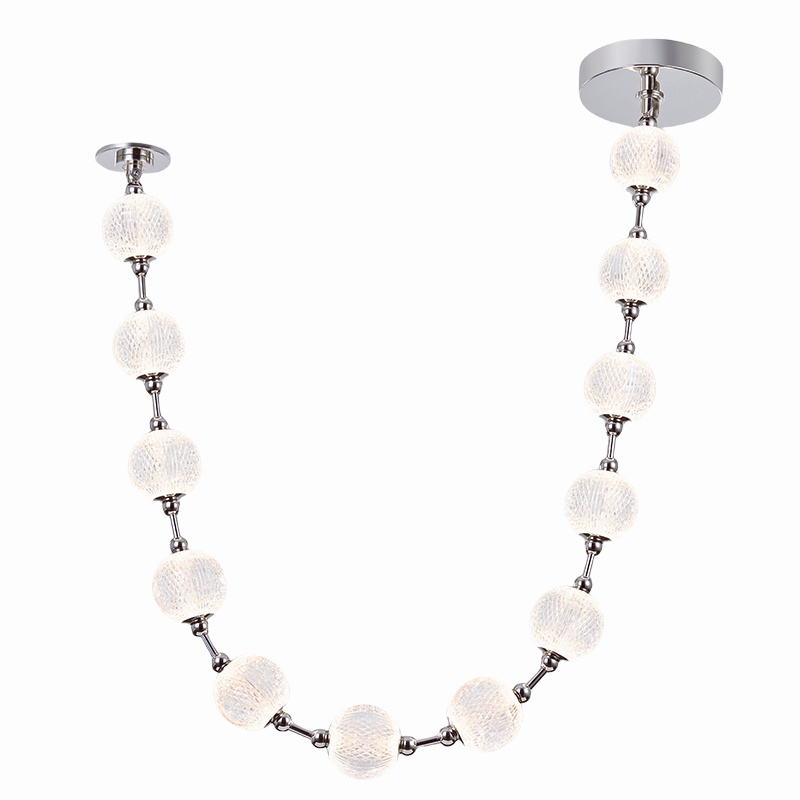
Introduction: From Showroom Dazzle to Real-World Demands
A lobby goes live at 7 a.m., and the pendants are the first thing people notice. A pendant light supplier says the fixtures will hit spec, cut energy, and land on time. The data backs the promise: in many U.S. buildings, LEDs drop lighting energy use by up to 60–75%, and simple controls add more savings. Yet once the lights hang, teams still report glare, harsh color, and short driver life. Why is there a gap between what’s sold and what users feel at eye level—especially across bustling, connected spaces?
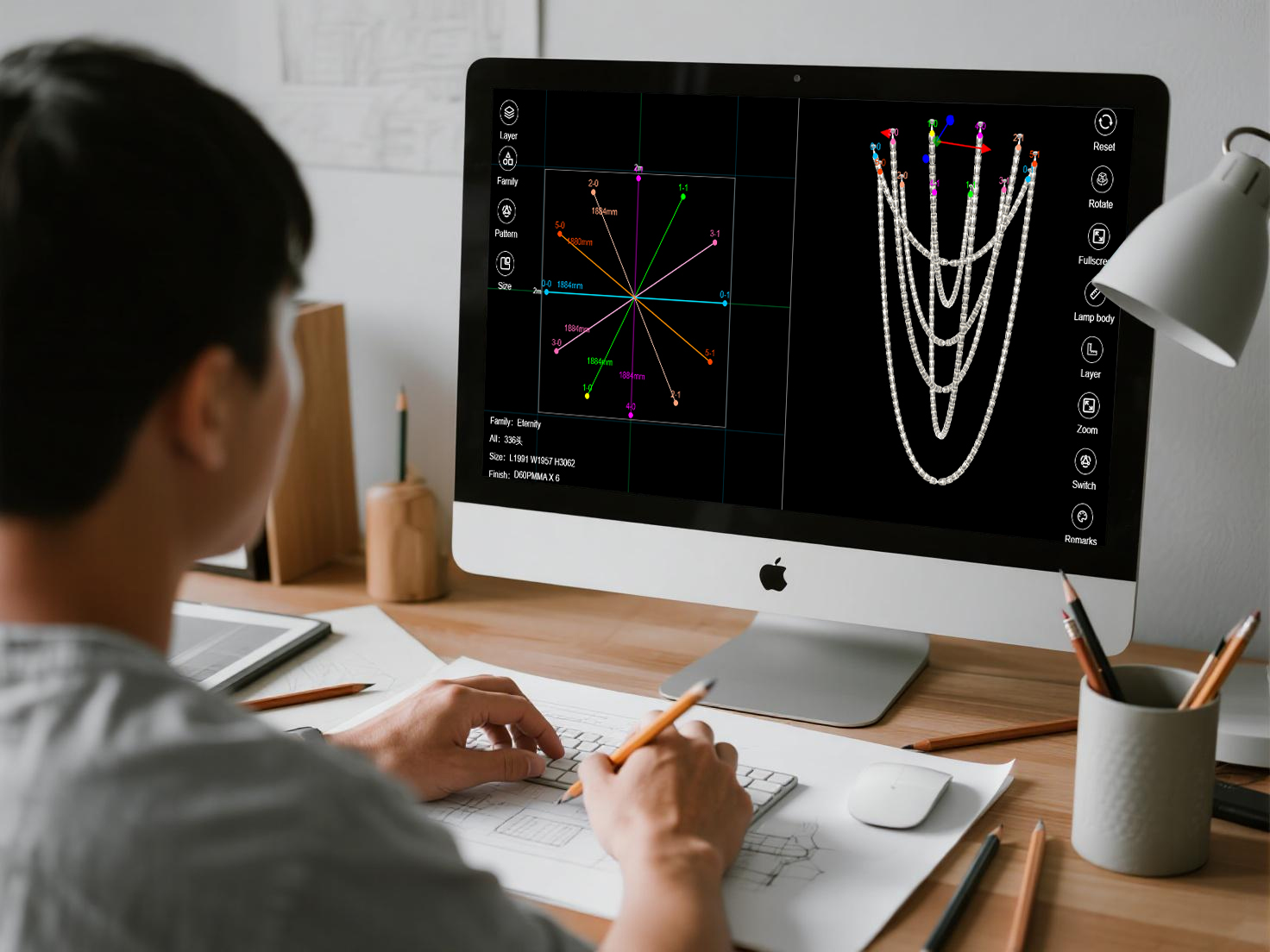
Here’s a comparison worth making. The best-looking sample under studio light can behave differently with the wrong power converters, or a driver tuned for another load class. And lead time? It isn’t just shipping; it’s also how fast you get replacement parts and data sheets when something goes off-nominal (Midwestern folks call that “being neighborly”). So the question stands: which choices help you get a steady, human-friendly result without a support headache? Let’s unpack the problem, then scan what’s next.
The Hidden Gaps in Acrylic Pendant Choices
Why do basics still fail?
Let’s go direct and technical. Many teams pick acrylic pendant lights for even glow, low weight, and clean shapes. On paper, it checks out. But users often hit pain points that don’t show up in the spec sheet. A high lumen package without a tuned optical diffuser can cause veiling glare over tables. A constant-current driver matched poorly to LED strings can drift, raising junction temps and forcing early lumen loss. CRI might look fine in a lab, yet skin tones and wood finishes feel “off” in mixed daylight—funny how that works, right?
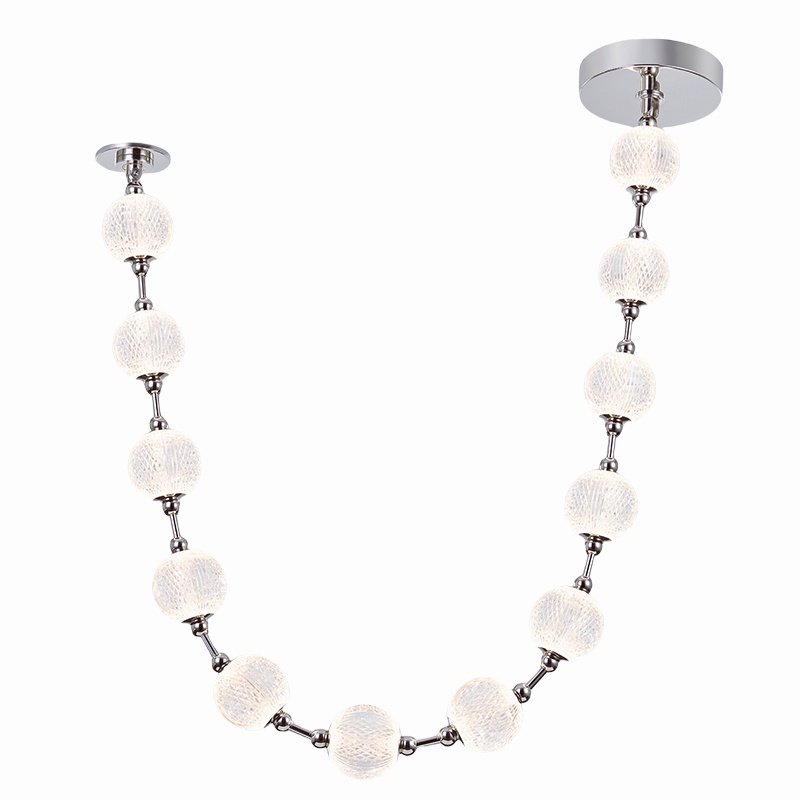
Look, it’s simpler than you think: small choices add up. If PWM dimming is set too low, you get visible flicker in slow-motion video and fatigue under task work. Weak thermal management inside an acrylic shell traps heat; the driver IC ages fast, and maintenance calls stack. The traditional fix—“bump the wattage” or “swap the diffuser film”—can mask, not solve, root issues. What you need is a matched system: driver behavior aligned to LED bins, diffuser transmission mapped to install height, and a mounting plan that respects cable creep and vibration. When these links break, the nicest acrylic shade can’t save the user experience.
Comparative Outlook: Materials, Drivers, and Data Doing More
What’s Next
Stepping forward, a better path blends materials science with smarter electronics. New acrylic blends hold clarity longer, resisting micro-scratches that scatter light. Edge-lit designs push photons through a guide plate, then shape output with micro-patterns—less glare, tighter uniformity. On the driver side, digital dimming with low-ripple current cuts flicker at deep turndown, while a buck converter paired with thermal sensing keeps LEDs in a safe envelope. When you source from seasoned led pendant light manufacturers, you also get better data: TM-30 color reports, inrush current values, and power factor curves that play nice with building controls. The comparison is clear—materials plus control logic beat brute-force brightness.
There’s also a service shift. Instead of “ship and hope,” teams expect field-swap drivers, part labels that map to drawings, and QR codes with wiring guides. This isn’t flashy, but it trims downtime and keeps spaces calm—no more scrambling before doors open. And because connected interiors change, a modular canopy with service loops lets you re-aim or re-lamp without stress. The takeaway from earlier pain points—glare, color drift, early failures—isn’t to over-spec; it’s to right-size. Start with target illuminance, ceiling height, and reflectance. Then pick diffuser, driver, and mounting as a system, not parts on a page. The result: fewer surprises, more steady light.
How to Choose with Confidence
Use three metrics to compare options—practical, measurable, repeatable. First, glare control: ask for UGR or a measured luminance map at your install height, not just a “soft glow” claim. Second, driver quality: check ripple percentage at 1%, 10%, and 100% output, plus thermal derating curves. Third, serviceability: confirm replaceable driver modules, labeled connectors, and a 48-hour parts-response plan. If a pendant light supplier can show these in writing, you’re set to get light that looks good, works hard, and stays simple to maintain—no drama, just steady results. For reference and deeper specs, see kinglong.