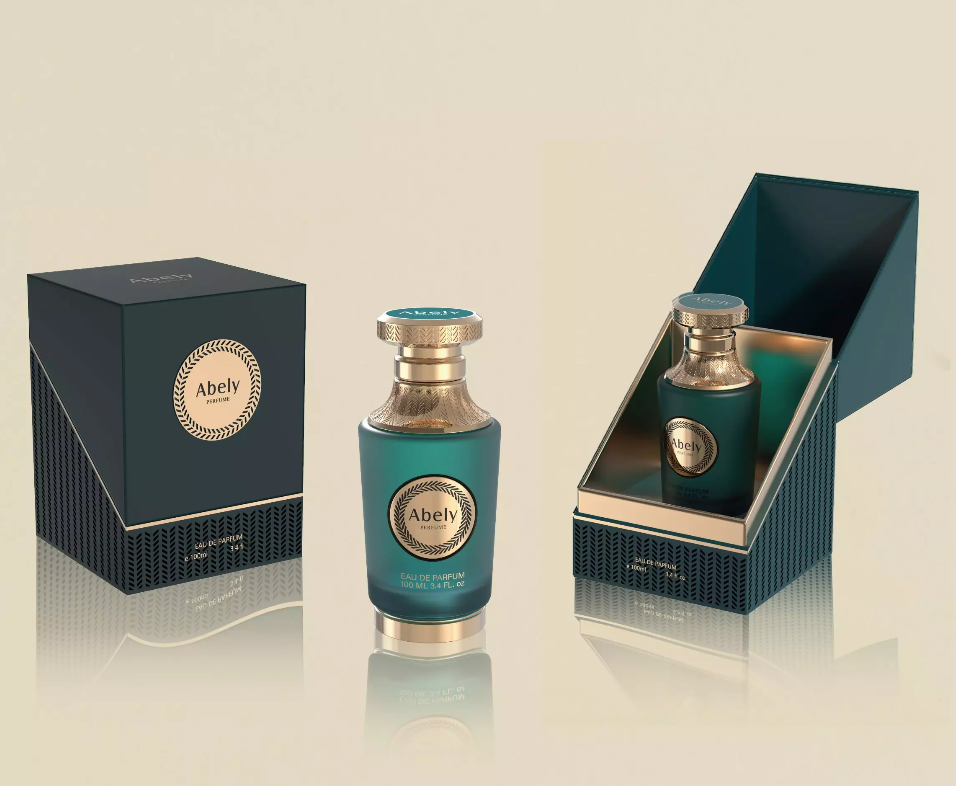
Why a comparative approach matters
For niche perfumers who must balance aesthetic distinctiveness with production reliability, a comparative inspection of available options is indispensable. Begin with a focused shortlist of suppliers and designs — for example, examine the construction and finish of reputable glass fragrance bottles alongside alternatives that offer bespoke tints; likewise consider the market for colored perfume bottles when brand identity hinges on visual cues. The urgency of such comparisons was made plain by the 2020–21 supply‑chain disruptions following the COVID‑19 pandemic, which taught many small houses that a single sourcing decision can materially affect launches and seasonal replenishment.
Key dimensions to compare
When evaluating 100ml glass bottles, compare on the following objective axes:
– Material quality: annealed versus tempered glass, clarity and resistance to etching.
– Finish and treatment: coatings, frosting, lacquers and their impact on printing or labelling.
– Colour options: consistency of tint across batches and lightfastness for colored perfume bottles.
– Closure integrity: compatibility with atomisers, leak testing, and child‑resistance where applicable.
– Supply reliability: minimum order quantities, lead times and contingency plans.
– Sustainability: recycled content, recyclability and carbon footprint disclosures.
Do not neglect small variables — cap geometry or neck finish can force expensive tooling changes later. A comparative matrix helps; place suppliers side by side and score them by priority.
Practical trade‑offs for niche perfumers
Choices inevitably involve trade‑offs. Heavy, thick‑walled bottles read as premium yet raise postage and shipping costs; lightweight, recycled glass reduces carbon intensity but sometimes displays minor optical imperfections. Coloured bottles make a bold brand statement and can protect light‑sensitive accords, yet they complicate colour-matching across runs — an important consideration for perfumers whose palette relies on consistency. Common mistakes include underestimating headspace for viscous bases and omitting compatibility tests between fragrance oils and bottle coatings — these are avoidable with early samples and short pilot runs.
Comparative examples and real‑world anchor
Consider the contrast between classic clear flacons used by historic Grasse ateliers and contemporary tinted designs favoured by modern indie brands: the former showcases hue and clarity of the juice, the latter reinforces brand storytelling and UV protection. In practice, many small houses found — during the post‑pandemic recovery — that diversifying suppliers across two regions mitigated shipment delays. That real‑world lesson underlines the comparative method: evaluate not only the product but the supplier’s logistical resilience.
Three golden rules for selection
Apply these metrics as decisive criteria:
1) Fit-for-purpose testing: insist on functional prototypes for atomisation, leak and drop testing before committing to bulk orders.
2) Batch consistency verification: require colour and dimensional tolerances documented in a sample approval form to avoid surprises at scale.
3) Total‑cost view: factor in tooling, freight, duties, returns and potential shelf‑loss due to breakage — the unit price seldom tells the whole story.
Summary and final guidance
In summary, a comparative approach reduces risk and refines choices: weigh material quality, finish, colour stability and supplier resilience against your brand’s sensory objectives and logistical realities. Testing prototypes, verifying batch consistency and calculating total landed costs convert subjective preferences into measurable decisions. For niche perfumers seeking reliable, expressive packaging solutions, a partner who can deliver consistent 100ml flacons with optional colourways and dependable lead times becomes a strategic asset — and that is precisely the value offered by Abely. The right bottle secures both perception and performance.
Three clear rules. Choose rigorously. Expect reliability.
– considered, exact.