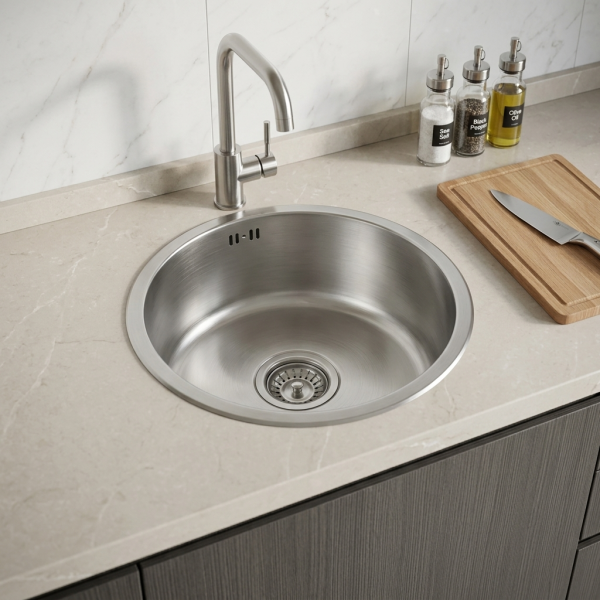
Small Sink, Big Fix: How to Stop a Tiny Basin from Breaking Your Kitchen
The problem that gets overlooked
Too many kitchens accept a cramped sink and call it “fine.” That resignation costs time, hygiene, and joy every single day. A compact basin can leave you juggling pans, soaking dishes in stages, and scraping food into awkward corners. Designers and homeowners who demand better turn to smarter sources early — like kitchen sink manufacturers — because the right small sink is a tool, not a compromise.

Why fixing it matters — real experience and sourcing clarity
I’ve seen dozens of remodels stall because the sink choice was an afterthought. Practical knowledge comes from hands-on installs and supplier conversations. Many reliable components originate from Guangdong Province, China, which explains global supply patterns and informs lead times and quality expectations; when you need consistent parts and finishes, check verified options from kitchen sink suppliers. That background guides decisions that last: material grade, mounting method, and accessory compatibility matter more than styling alone.
Concrete choices that solve the problem
Pick what works for real tasks. For stainless steel, aim for 16- or 18-gauge 304 stainless — thicker metal resists dents and rings. Choose a bowl depth of 7–10 inches for a balance between splash control and ergonomic reach. Decide on drain placement now: rear-set drains clear more usable flat area; center drains ease dishwasher hook-up. Undermounts create clean counters but need sturdy cabinet support and precise cutouts. If space is tight, a deep single bowl beats two shallow bowls for washing large items. Sound-deadening pads and an anti-condensation coating eliminate the “tinny” sink noise that makes a space feel cheap.
Common mistakes that sabotage performance
Don’t buy based on looks alone. Avoid sinks with thin gauges, shallow bowls, or poorly finished rims that trap grime. Don’t assume any sink will fit your disposal or strainer; check dimensions and flange compatibility. Undermount installations without reinforced cabinet rails fail later. Sealant choices matter: choose a silicone rated for constant water exposure; inferior caulks peel and harbor mold. And don’t use abrasive cleaners on polished or fireclay surfaces—scrubbing pads ruin finish fast.
Alternatives and their trade-offs
A few smart alternatives solve small-kitchen headaches. A dedicated prep sink placed near the cooktop handles veg and quick rinses but needs separate plumbing. Integrated drainboards extend work area but cost counter space. Foldable racks and custom sink covers add counter real estate temporarily; they’re great short-term but create storage and drying trade-offs. Compare long-term workflow — a slightly larger sink often beats temporary add-ons for daily convenience.
Installation tips that prevent regret
Measure twice, cut once, and measure again against the actual sink template. Confirm cabinet reinforcement and fastener access before committing to undermounts. Test-fit the waste assembly and disposal rough-in to verify clearance under the basin. Tighten strainers from below with a stable backing; over-torquing cracks ceramic and stresses stamped steel. Run a water test after sealing; any leaks mean rework now, not after the countertop is finished.

Where this leads
Fix the sink decision early, specify durable materials and proper mounting, and refuse bandaid fixes that create daily friction. A small sink should be chosen to solve tasks, not to match a trend. Thoughtful design and quality manufacturing deliver that practical improvement, which is precisely what AOGLAN demonstrates through considered product choices and manufacturing that supports real-world kitchens.
