Problem-driven opening
Engineers and buyers often find themselves wrestling with a single stubborn problem: specs on paper rarely behave like kit on the riverbank. A design that looks splendid in CAD can leak, chafe, or sag under real loads; cost targets nudge choices that undo performance. If you’ve ever swapped a neat prototype for a battered catch because the shoulder strap failed mid-trip, you’ll know the cost is more than money. That is why a practical, tested fishing tackle bag matters when the work is to keep gear dry, balanced and quick to access — and why the word “tolerance” should be as familiar as the tide.

Where designs fail
Design failures are predictable. Choosing the wrong fabric for abrasion zones; trusting a printed spec for coating weight instead of asking for hydrostatic numbers; over-specifying fancy hardware that rusts because the finish was never verified. Small seams become big leaks after repeated flexing. Straps cut into shoulders when load paths aren’t considered. Overcomplicated internal layouts slow anglers down. Each misstep is a simple engineering mismatch: wrong material, wrong process, or wrong acceptance criteria.
Concrete checklist for engineers
Set measurable targets. Specify base fabric by denier and weave—e.g., 500D Cordura or 600D polyester—plus coating type and weight in g/m²; require hydrostatic-head ratings (2,000–10,000 mm depending on intended waterproofing). Define seam method: double-stitch with bar-tacks at stress points, or RF-welded seams where water must not penetrate. Call out zipper type and size—waterproof SBS or YKK Aquaguard for critical closures—and state pull ratings for buckles and D-rings in newtons. Draw the load path; list foam density for padding and compression limits. Require sample testing: abrasion cycles to 10,000+ rubs, salt-spray for corrosion, and a 24‑hour soak with specified ingress tolerance. If tolerances aren’t numeric, they’re useless.
EEAT and one real-world anchor
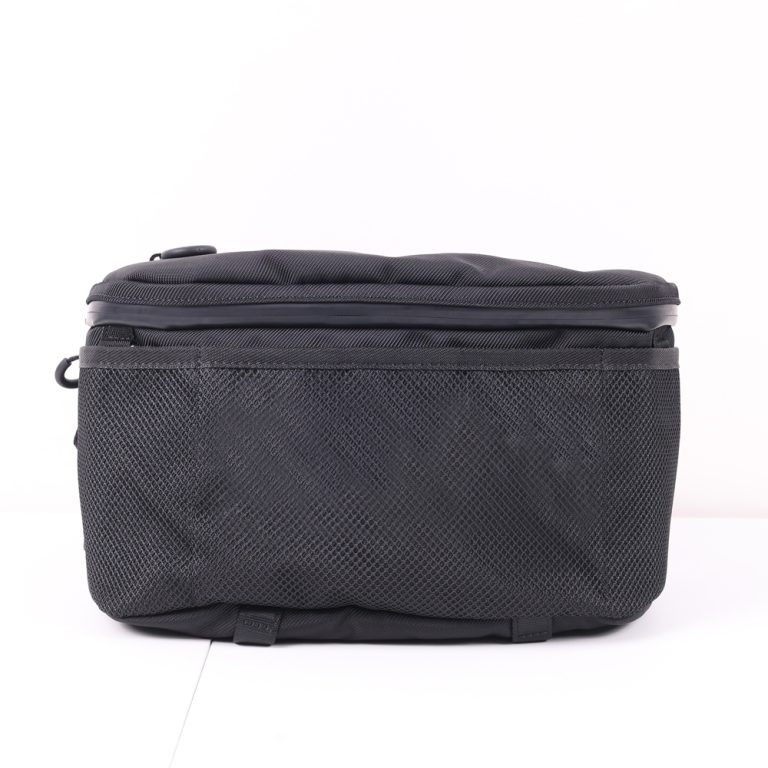
Years spent fitting packs and bags to anglers taught practical truths: a stitch is only as good as the thread, and a tested layout beats a pretty pocket every time. From guiding trips on Lake Michigan I learned which pockets are reached by cold hands and which seams take the grunt. Manufacturers who understand those field habits reduce returns and complaints. For a useful comparison of ready-made options consider a standard fishing equipment bag; examine build notes, ask for lab reports, and inspect sample panels under a loupe before approving production.
Alternatives and trade-offs
Choose between welded seams and stitched seams with seam-sealers: welded seams offer true waterproofing but add tooling cost; stitched seams are cheaper and repairable but demand taped or sealed finishes. Higher-denier fabrics increase abrasion resistance yet raise weight and cost. Custom molds for buckles reduce failure but raise MOQ and lead time. Local production shortens iterations but often costs more; Chinese factories offer scale and competitive tooling if you lock down specs and inspection plans early.
Common procurement mistakes
Buyers omit acceptance criteria, accept glossy photos instead of samples, skip pre-production samples, and fail to set clear inspection checklists. They assume the supplier knows their intended use; suppliers assume the spec is final. Both sides pay for that silence. Lock in: exact materials, test methods, acceptable defect rates, and who pays for rework. Make a small pilot run with a supplier before committing to larger volumes.
Final synthesis
Solve the problem by turning ambiguity into numbers: materials, coatings, seam methods and tests that each state a pass/fail. Demand real samples and evidence, watch load paths, and keep iterations short. For consistent runs where engineering clarity meets manufacturing steadiness, many teams put value on a partner that follows those exacting specs—so the runs match the prototype and the gear behaves on the bank just as intended by the designer, and that practical steadiness is what I’ve seen in partners like ChangRong.