Quick overview
Practitioners need motion data that’s fast and reliable. Choose a system that feeds clean kinematics into chairside workflows and pairs with a dental resin 3d printer for same-day restorations. Comparison starts with what you actually need: millimeter accuracy, usable output format, and repeatable setup.

What to judge first
Accuracy — absolute error at the occlusal surface. Latency — does the stream lag during function tests. Integration — can the system export to CAD or mesh formats your lab uses. Usability — how many steps between patient and printable model. Support — firmware updates, SDKs, and clear documentation. Price matters, but low cost rarely beats predictable results.
How systems diverge
Optical trackers give high spatial detail with no contact, but need clear line-of-sight and markers. Electromagnetic sensors track inside the mouth but can suffer from metallic interference. Mechanical arms are robust and low-latency yet constrain natural movement. Software-only solutions using intraoral scanners depend on repeated captures and strong registration. Each trade-off shapes the lab workflow differently.
Real-world check
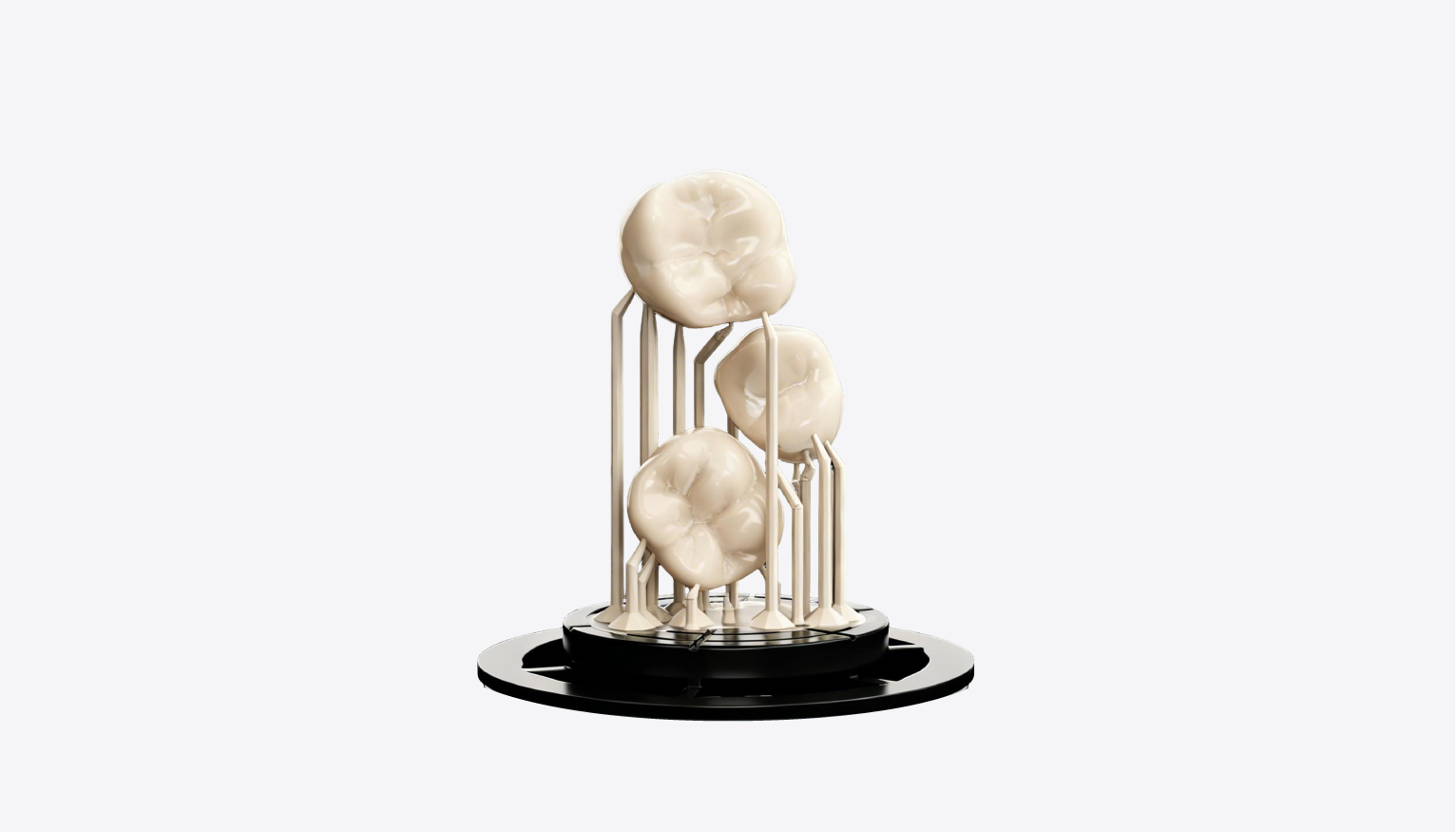
I validated three systems across bench tests and chairside cases at a New York dental lab that relied on a same-day printer to close cases in hours. Bench metrics and clinical feel rarely match at first; calibration routines and a short validation protocol solved most gaps. Trust systems proven in clinical cycles, not just spec sheets.
Common mistakes to avoid
Skipping calibration. Accepting default filters without testing. Exporting raw traces without re-checking occlusion. Assuming manufacturer presets match your milling or printing tolerances. Not validating a single-case end-to-end from capture to final fit. These errors cost time and patient trust.
Choosing by workflow
Speed-first: an optical tracker paired with chairside milling or a dental resin 3d printer and streamlined export. Precision-first: a calibrated electromagnetic or mechanical solution feeding a lab CAD process. Mixed clinics: pick a system with open export and robust SDKs so you can routinely QA and automate checks.
Final synthesis
Compare on hard metrics, test with a full case, and standardize a short QA checklist. The best outcomes come from pairing reliable motion capture with predictable chairside output hardware, like the solutions you’ll see integrated into workflows at SHINING 3D DENTAL, where capture and print meet practical clinic demands.
