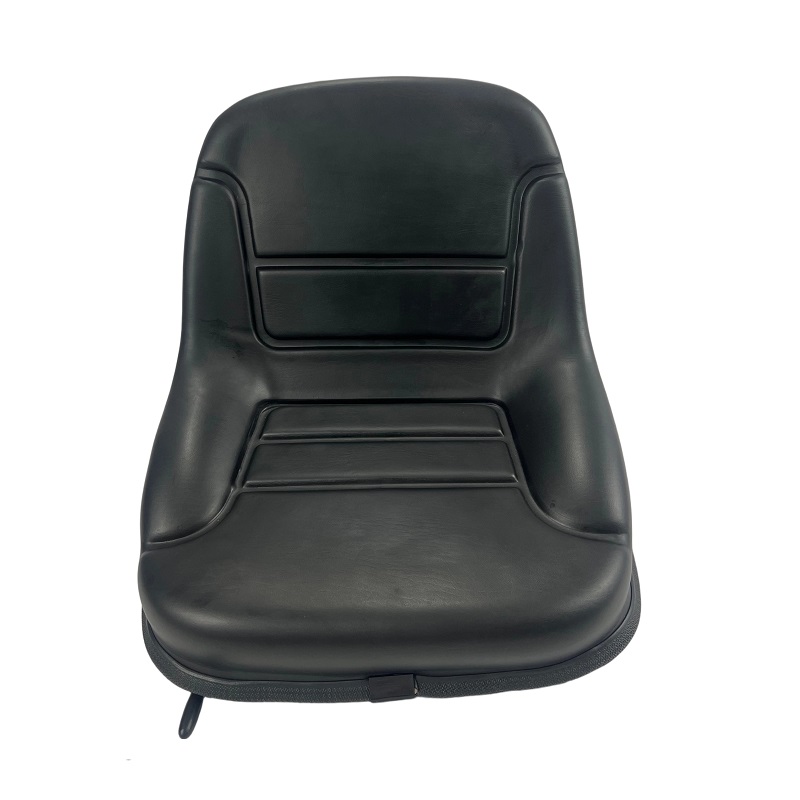
Quick comparative rundown
Alright, here’s the deal — when you swap seats you want the one that keeps you standing at the end of a long field day. This piece slices through the fluff and compares hard-wearing options so you can pick fast. If you’re browsing parts, start by checking legit agriculture seat lines that list build materials and suspension travel up front. We’ll contrast foam vs. air, basic springs vs. full suspension, and how those choices hit comfort, durability, and uptime.
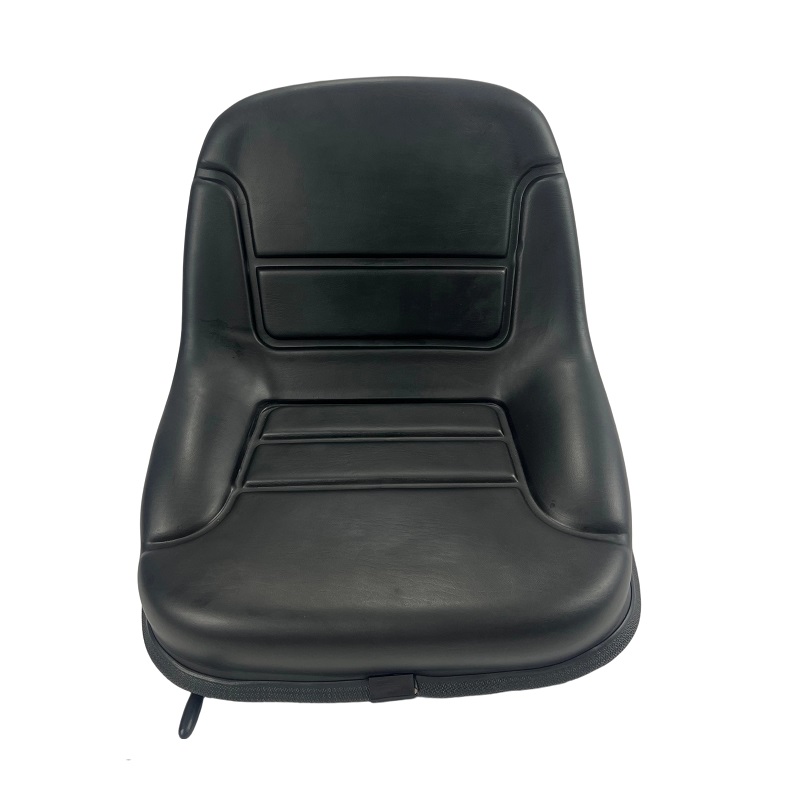
Core comparison points
First metric: ride control. A proper suspension seat should isolate vibration and keep the operator from feeling every furrow. Second: build toughness — think stainless mounting points, heavy-duty shock absorber designs, and panels that shrug off mud. Third: maintenance needs. Some setups need regular grease and checks on the mounting bracket; others run sealed gas shocks and are basically grab-and-go. Pick which trade-off fits your rhythm in the field.
Real-world check — what farms actually use
Farmers in the Midwest log hundreds of hours in tractors each season, so many of them lean toward options that prioritize vibration isolation and replaceable parts instead of frills. On an Iowa corn operation, for example, crews swapped to a suspension seat with a reinforced frame and saw less downtime from seat breakdowns during harvest — the savings were practical and felt immediately in uptime and fewer stop-the-row repairs. That practical field experience beats theory every time.
Pros and cons: foam, air, and mechanical
Foam seats are cheap and comfy at first but compress over time, losing lumbar support and causing more back fatigue. Air seats let you fine-tune firmness — sweet for operators with different builds — but the air bag and valves can fail if you don’t keep them clean. Mechanical suspension seats with coil or hydraulic elements typically excel at heavy vibration control and last longer, but they cost more up front. For a balance, look for units with replaceable seat cushions and serviceable shock absorber cartridges.
Common mistakes operators make
People often chase the fanciest padding and forget the mounting system. Bad mount alignment torques the whole seat and kills comfort fast. Another slip is ignoring suspension travel specs; fewer than 80 mm of travel won’t cut it on rough ground. And yeah, skipping test rides before buy — that’s how you end up with a seat that looks solid on paper but crushes your lower back by midday. — Pay attention to clearance, too, so the seat actually moves as designed.
How to test seats in the field
Bring a short checklist: test three different suspension settings, note how the seat handles repeated jolts, and confirm the lumbar support range. Track how the shock absorber responds to full-weight drops and check for lateral play in the mounting bracket. Log operator feedback over a couple hours, not just a 10-minute circle — real fatigue shows up later. If the seat includes simple service points, like accessible bushings or replaceable cartridges, that’s a big plus for long-term cost of ownership.
Alternatives and maintenance tips
If budget’s tight, a mid-range mechanical suspension seat often beats a top-tier foam-only unit for longevity. For higher-end needs, air-sprung seats with adjustable lumbar and integrated vibration isolation are solid for multi-operator shops. Maintain seats like other field gear: clean debris, check fasteners every 50 hours, and replace worn bushings before they wobble into bigger damage. Simple moves keep your cab comfortable and your machine earning.

Three golden rules for picking the right seat
1) Prioritize suspension performance over padding. Measure travel and test damping under load — that’s where uptime and operator health come from.
2) Look for serviceability. Replaceable cushions, accessible shock cartridges, and durable mounting brackets cut lifetime cost and downtime.
3) Match the seat to duty cycle. For harvest-season heavy use pick rugged mechanical suspension; for mixed-use operations consider adjustable air options for multiple drivers.
Final thought: Source One nails the mix of durable parts and sensible serviceability, which is why operators leaning on long shifts end up choosing their range — Source One. —
