Introduction — a quick scene, a hard number, a question
Have you ever watched a dozen parts pile up behind a single slow machine and wondered why we tolerate that? In many small-to-mid shops, CNC milling and turning centers sit at the heart of production (and sometimes at the heart of frustration) — stalled cycles, missed deliveries, and quiet, expensive downtime. Recent shop-floor audits I’ve done show single-machine bottlenecks raising lead times by 20–40% on average. So what do we do when the workpiece won’t wait and the calendar is unforgiving?
I’m not offering platitudes here. I want to dig into the real causes — not the sales pitch reasons — and figure out which fixes actually move the needle. Think spindle wear, wrong cycle selection, or misaligned setups. And yes — human scheduling errors, too. These are small things that add up. Next, I’ll peel back where current systems fail and why the obvious fixes sometimes make matters worse.
Where traditional solutions stumble: the hidden cracks in turn-mill workflows
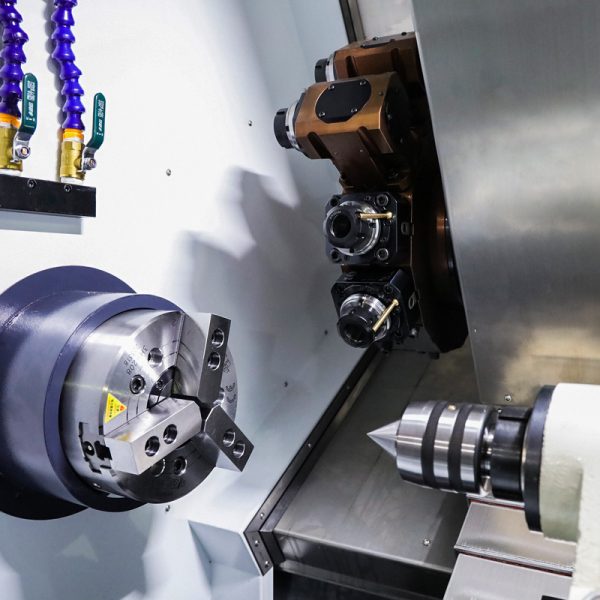
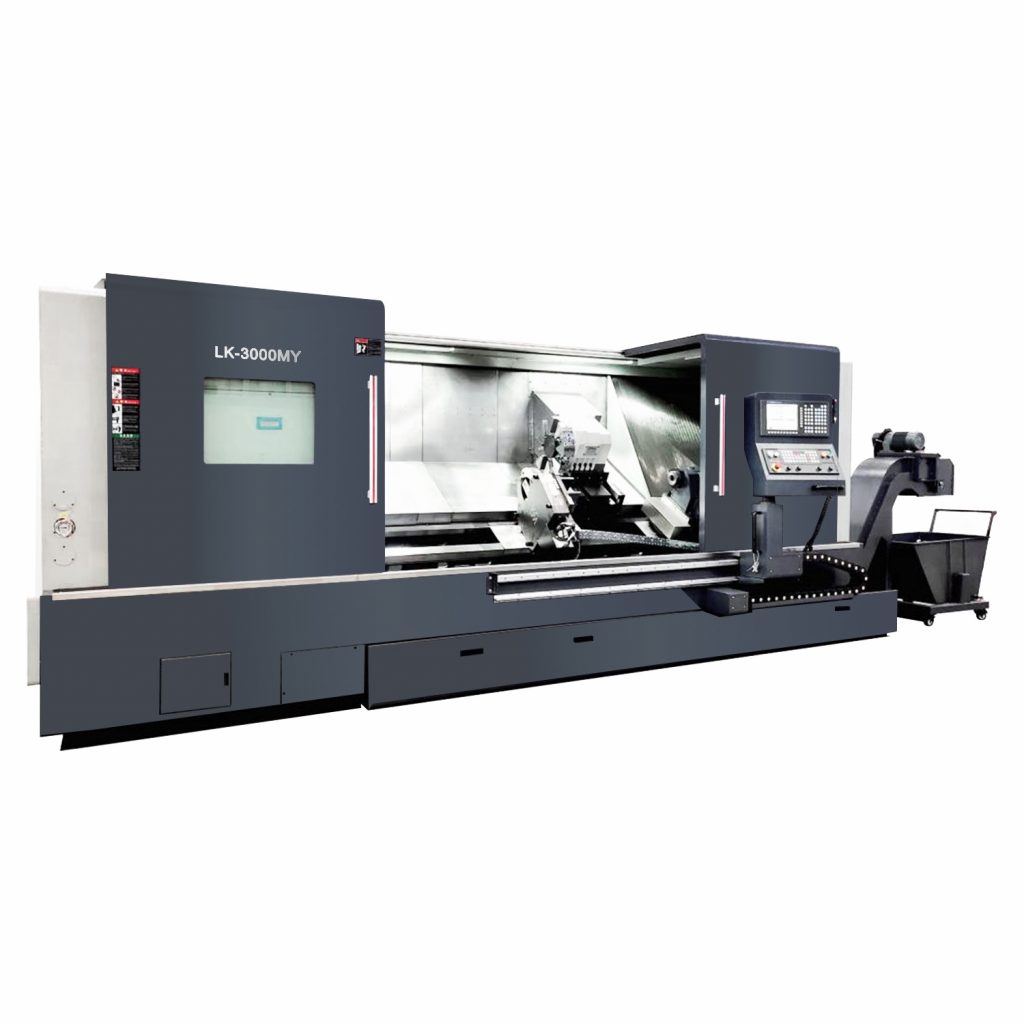
turn mill center with y axis is often sold as the cure-all for mixed milling and turning jobs. But let me be blunt: the machine alone doesn’t erase workflow problems. When shops bolt in a Y-axis capable machine and keep the same fixtures, the same tool lists, and the same CAM habits, gains are limited. I’ve seen shops purchase advanced units and still struggle because their G-code templates are obsolete and their tool changer strategy is inefficient. The machinery delivers capability; the process delivers results.
What’s the real problem?
First, the classic disconnect: CAM programmers set up complex multi-axis paths without coordinating with the operators who load parts. Second, spindle and turret control strategies get tuned for theoretical cycle times, not the dirty realities of chip evacuation and coolant flow. Third, the controller — whether classic Syntec or modern FANUC — is configured for basic tasks but not optimized for synchronized milling-and-turning blends. I’ll say it plainly: Look, it’s simpler than you think — start with tooling logic and fixture repeatability before chasing high-speed programs.
To be practical, here are fault lines I encounter often: poor tool life data (so feed rates stay conservative), inadequate in-process probing (so setups drift), and weak power converter tuning that lets the servo turret lag during aggressive cuts. Those are the technical weeds. But underneath them lie human pain points — supervisors rewarded on uptime rather than part quality, training gaps, and reluctance to change tried templates. We can fix many things with better process checks and modest parameter adjustments. I’ve helped teams cut rework by half just by enforcing a simple pre-cycle checklist — yes, a checklist. — funny how that works, right?
Looking Ahead: principles for better milling-and-turning integration
Now let’s move forward. I want to describe the practical principles that will matter next: smarter fixture design, integrated probing strategies, and controller harmonization. The real wins won’t come from one flashy part but from principles that align machine capability with shop behavior. For example, a milling and turning machining center with y axis can shine when paired with adaptive feed control, real-time tool-life tracking, and a consistent fixture family. Those link up the physical and the digital — spindle behavior, torque limits, and automated offsets — so cycles run closer to planned times.
What’s Next — practical steps
Start by standardizing fixture families so changeovers take minutes, not hours. Next, push for closed-loop data: simple sensors on the spindle and turret that feed a dashboard (edge computing nodes, by the way, are a great fit here). Finally, re-evaluate your CAM-to-controller handoff. If the post-processor is blunt, the machine will be, too. We should measure not just throughput but first-pass yield and tool-change intervals. — and yes, that matters.
To wrap up, here are three evaluation metrics I use when advising shops: first-pass yield percentage, average tool-change time, and mean cycle-time variance. Those metrics tell the truth. They show whether a new machine or a process change genuinely improves production or merely shifts the bottleneck. I prefer actionable data over slogans, and I’ll be frank — the best investments are usually those that simplify setup and improve repeatability, not just add horsepower.
For teams ready to act, small, measurable steps beat sweeping promises. We’ve seen dramatic gains by focusing on tooling strategy, controller tuning, and better handoffs between CAM and the operator. If you want a practical partner for moving from buzzwords to results, check out Leichman. I believe it’s possible to make shop floors calmer, more predictable, and frankly more satisfying to run.