Introduction: The Challenge of Traditional Battery Designs
Imagine you’re in a power outage, and your trusty flashlight gives out after just a couple of hours. Why do failures always occur during crucial moments? With traditional cylindrical batteries dominating the market, consumers often find themselves frustrated by shorter lifespans and inefficient designs. Prismatic cells offer a solution to these problems, providing a more efficient and reliable energy source.

Technical Breakdown: Understanding the Flaws
Traditional battery solutions have several drawbacks, primarily centered on their form factor and energy density. Cylindrical batteries tend to waste space, leading to less efficient energy use. Moreover, they often face issues with heat generation during charge cycles, reducing their longevity. Look, it’s simpler than you think: the design of the battery greatly affects its performance and usability.
New Technology Principles Behind Prismatic Cells
Prismatic cells, in contrast, adopt a rectangular or square shape, allowing for better packing density and utilization of space. This innovative design translates to increased energy storage capabilities and enhanced thermal management. By distributing heat more evenly across a larger surface area, prismatic cells can operate at optimal temperatures, extending their lifecycle significantly. In industries like electric vehicles and renewable energy, this technology represents a game-changer.
Quantified User Benefits of Embracing Prismatic Cells
The benefits of using prismatic cells are clear. Studies show users can experience up to 30% more energy efficiency compared to traditional battery designs. Additionally, with a longer lifespan, users can save money over time, as they require fewer replacements. Adopting this technology not only meets power demands but also contributes to a more sustainable future.
Conclusion: Making an Informed Decision
When considering battery solutions, always verify these 3 metrics when choosing solutions: ① Energy density ② Heat management ③ Lifespan. Each of these factors plays a crucial role in the effectiveness of your chosen power source. Embracing prismatic cells could very well be the future of energy storage and sustainability.
Advancements in Prismatic Battery Manufacturing
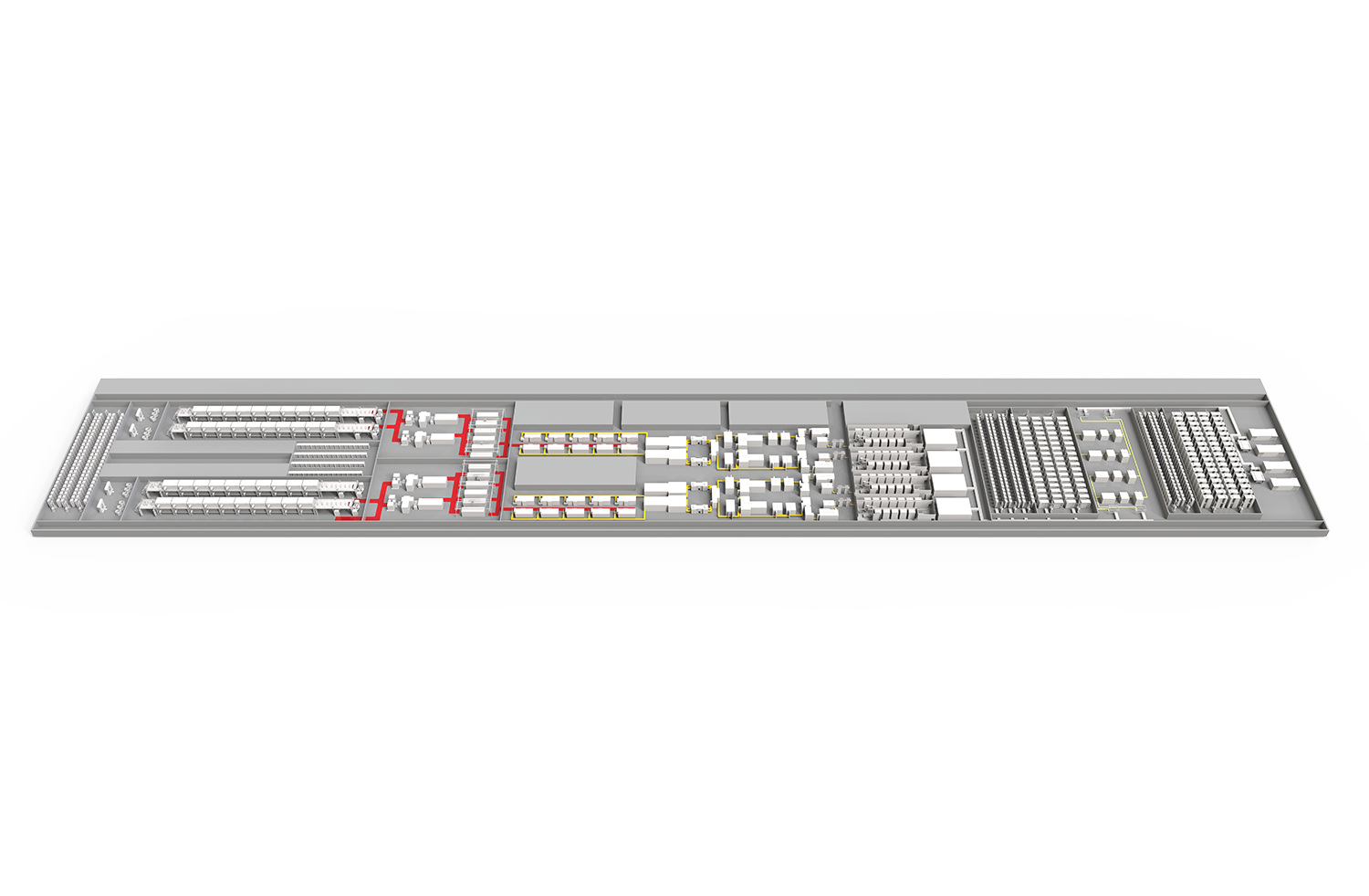
In the realm of energy solutions, prismatic battery manufacturing is gaining momentum. This approach focuses on creating batteries that not only hold more power but also maintain their efficiency over time. With the growing demand for electric vehicles and renewable energy storage, streamlined manufacturing processes are critical. By leveraging innovative production techniques, manufacturers can produce prismatic cells at scale while ensuring quality. In essence, prismatic battery manufacturing stands as a beacon of progress in an industry ripe for transformation.
Exploring the Future of Prismatic Battery Manufacturing
The future of prismatic battery manufacturing looks bright. As technology evolves, manufacturers are exploring new materials and methods to enhance battery performance further. From advances in electrode materials to improvements in biocompatibility, each step taken in production processes aims to create batteries that are not just more powerful but also environmentally friendly. Consumers can look forward to longer-lasting, safer, and more efficient batteries that cater to their energy needs while contributing positively to sustainability efforts.
Conclusion: Choosing LEAD for Prismatic Solutions
In conclusion, as the world gravitates towards sustainable energy solutions, prismatic cells are at the forefront of this evolution. If you’re considering this cutting-edge technology, I recommend checking out LEAD. With supply advantages and a commitment to quality, LEAD is well-positioned to meet the growing demands of prismatic battery manufacturing and push the industry forward. Their expertise ensures you’re not just getting a product, but joining a movement towards a more efficient energy future.