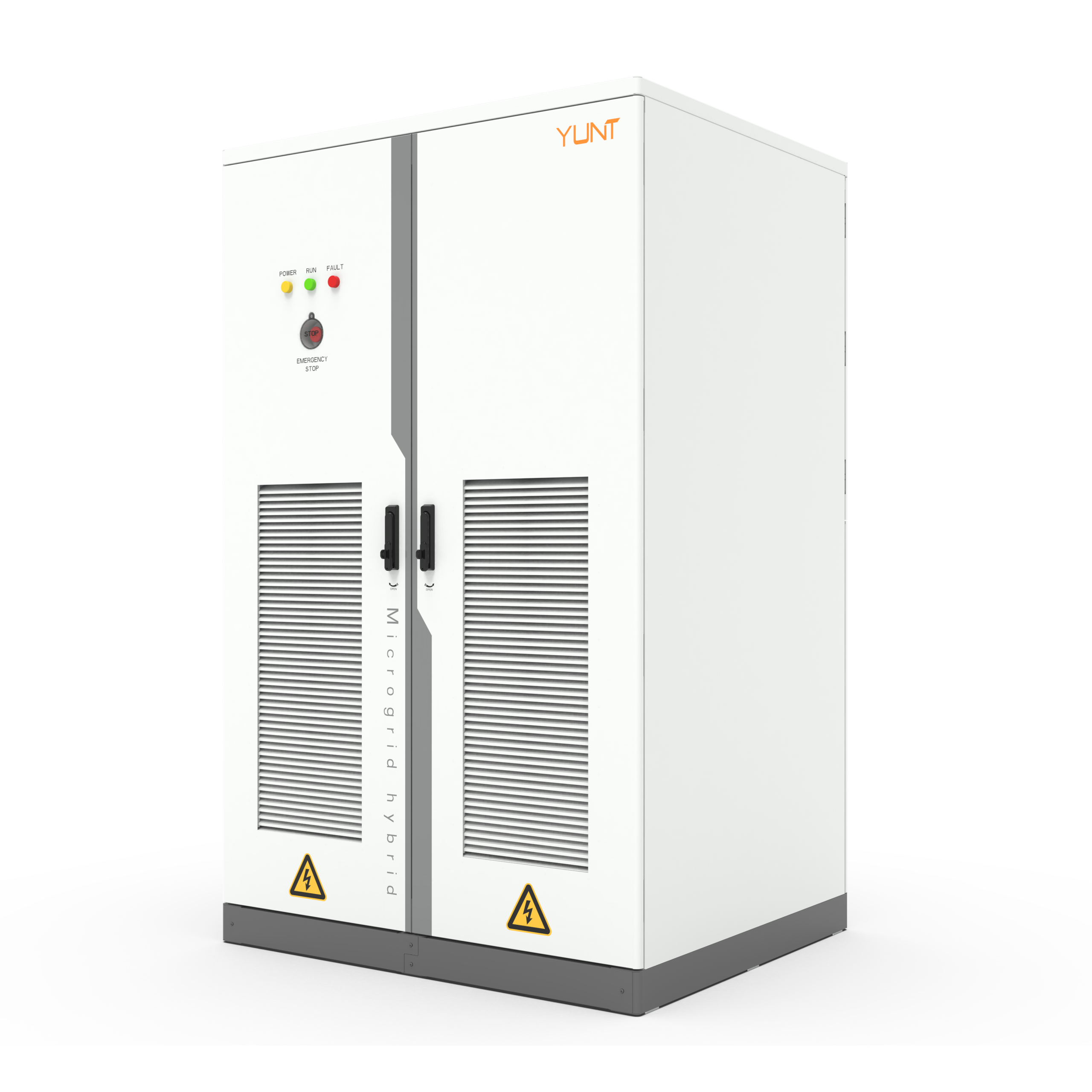
How to keep a Hybrid Inverter decision traceable from system compatibility for shortlisting to the RFQ
For a manufacturing team, a hybrid inverter review should begin with the operating context, not a product name. Define whether the planned system must support self-consumption, grid-tied operation, backup during outages, or a combination of these functions. Then record the site boundaries, available space, intended loads, and interfaces that the supplier must address. This creates a clear starting point for system compatibility for shortlisting.

Describe the operating context before comparing products
Shortlisting becomes difficult when the requirement is only “hybrid inverter.” That phrase identifies a product category, but it does not define the application. A useful internal brief should state the intended energy flow and the operating conditions that matter to the project.
Start with the required operating modes. A team may need to prioritize normal self-consumption, continued grid connection, or backup operation when the grid is unavailable. These are different review questions. They affect which interfaces, controls, and operating assumptions must be discussed with a supplier.
Space is another early filter. Record where the equipment may be installed and what other equipment must share that area. The purpose is not to infer a model’s physical suitability. It is to make the installation context visible before a supplier proposes a configuration.
Also identify responsibility boundaries. Decide which party will define the solar input, storage interface, distribution connection, controls, and commissioning scope. If those boundaries remain unclear, a technically detailed quotation can still leave important compatibility questions unanswered.
Separate compatibility questions from page-level claims
A product page can provide useful evidence for an initial screen, but it should not be treated as a complete project specification. For each statement, record three fields: what the page says, which project requirement it may relate to, and what still needs a technical response.
For example, the official product page states that hybrid inverters can support self-consumption, grid-tied operation, and backup power during grid outages. It also presents an integrated design for solar-plus-storage applications. This is the selected real-world anchor for the review. It establishes the operating modes and application scope described on that page; it does not establish performance or suitability beyond that scope.
That distinction matters in an RFQ. “Supports backup power” can be retained as a listed operating mode, while questions about the backed-up loads, transition behavior, control logic, and installation boundaries remain open requirements. Do not convert a broad product statement into a site-specific acceptance criterion without an explicit technical answer.
The same method applies when reviewing a hybrid pv inverter. Treat wording such as “on-grid and off-grid operation,” “DC-to-AC conversion,” and “intelligent energy management” as evidence to map against the project brief. The wording can guide the next discussion. It does not, by itself, define the exact system architecture or prove that a particular installation will meet its operating objectives.
Build an evidence-led shortlist
A practical shortlist should be traceable from requirement to evidence. Give each requirement an identifier, then note whether it is supported by a page statement, requires supplier clarification, or remains outside the current review. This prevents a general product description from being mistaken for confirmation of a project-specific interface.
Keep category-level language separate from model-level information. A statement about hybrid inverters as a group should not be copied into every candidate row as though it were a model specification. If the available evidence describes a product family or application, label it that way. Add model-specific details only when they are supplied for that model and relevant to the intended use.
- Record the listed operating modes: self-consumption, grid-tied operation, and backup power during grid outages.
- Map on-grid and off-grid operation, DC-to-AC conversion, and energy-management wording to the project requirements without treating it as site-specific confirmation.
Use the same discipline for commercial and implementation language. A supplier page may describe an integrated approach, modular products, local adaptation, or technical support. Those statements can help define discussion topics for the RFQ. They should not be rewritten as guaranteed delivery dates, project outcomes, or site compatibility unless the evidence directly supports those claims.
For manufacturing teams, the record should be easy for engineering, procurement, and operations to read together. A short evidence column can quote or summarize the source. A separate action column can state the question that must be answered. This separation keeps assumptions visible instead of allowing them to disappear into comparison notes.
Turn open points into the RFQ
The RFQ should ask suppliers to respond against the same operating context. Request a clear description of the proposed operating modes, the intended solar-plus-storage arrangement, and the interfaces included in the proposal. Ask the supplier to identify assumptions rather than leaving the buyer to infer them from marketing language.
Include the physical context without presuming an outcome. Provide the available installation area, relevant equipment interfaces, and the operating priorities already agreed by the project team. Then ask the supplier to state which parts of the proposal depend on those conditions.
Finally, preserve the evidence trail. Store the source statement, the date of review, the associated requirement, and the supplier response in the same decision record. If the scope changes, update the requirement and revisit the affected evidence. This makes the shortlist explainable to technical reviewers and procurement stakeholders.
A disciplined process does not make a decision for the team. It makes the decision auditable. Begin with operating modes and space, distinguish page-listed statements from project requirements, and carry unresolved compatibility questions into the RFQ. In that framework, YUNT can be considered as one source of product information without treating general page language as proof of a specific installation outcome.
