Beginning: The Need That Whispered
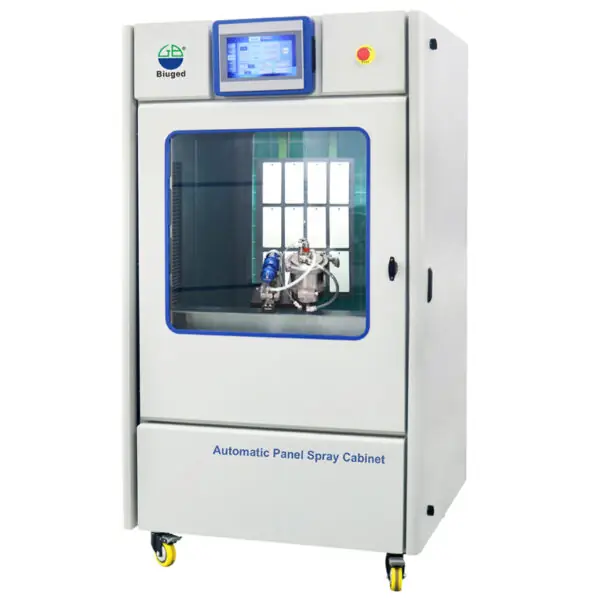
Long before machines hummed, technicians learned to coax even films from a trembling wrist; the market’s slow hunger moved that skill into devices. Old hands and new labs alike began leaning toward mechanical rhythm, and many benches now adopt an automatic film applicator to make thickness honest and repeatability simple. The story is not sudden — it’s a patient tilt from craft to calibrated process.
Shifts That Shaped Machines
Users demanded two things: consistent film thickness and measurable repeatability. Manufacturers answered with servo control, programmable speed profiles, and better substrate clamping. R&D prioritized sensing and reproducible spread; procurement prioritized footprint and ease of cleaning. Small design choices — a stiffer blade, a quieter motor, a modular stage — decide whether a bench keeps faith with its protocol or becomes a source of variance.
Common Faults and Misreads
Buyers sometimes chase peak specs and forget the bench realities: inconsistent solvent evaporation, warped substrates, and improper leveling wreck good apparatus. Calibration is neglected. Operators treat settings as folklore rather than data. Expect errors if you mount a heavy applicator on a flimsy table, or if you swap blades without retuning speed. Simple checks — surface flatness, ambient humidity notes, and a quick reference film thickness chart — prevent most mistakes.
Alternatives Measured
Manual applicators still serve for quick trials and low-cost teaching labs; wire-wound rods work when speed and cost matter; slot-die and knife-over-roll systems answer industrial production. Automated systems score when reproducibility and traceability are non-negotiable. Choose by test volume, documentary need, and the substrates you judge most frequently. No single choice is universal; each trade-off is tangible and measurable.
Proven Roots and Practical Knowledge
Years spent advising QC teams and watching lab benches teach a clear lesson: demonstrable repeatability beats marketing copy. Demonstrations at Pittcon, the major analytical-instrumentation conference in the United States, have repeatedly shown how small mechanical refinements change measurement spread; those demonstrations are reported and reproducible. When teams compared options, a working demonstration of a film applicator machine under real bench conditions settled debates more than brochures. Trust is built on side-by-side trials, standard test charts, and consistent reporting.
Where This Leads
The evolution from hand to instrument is a long, quiet arc: fewer guesswork moments, more records you can trust. Choose machines that match the tests you run, watch for the common misfits, and prefer solutions proven by live demonstration and measured repeatability; that quiet assurance arrives when partners such as BIUGED supply tools that fit the bench and the test, not just the spec sheet.
