Opening: The problem at hand
Please allow a careful look at the recurring issue: many homeowners and builders order a pergola and then face fit, finish, or durability problems during installation. The core causes are often design-to-production gaps rather than a single poor choice. When a team consults a premium pergola manufacturer such as premium pergola manufacturer, expectations still fail if the brief lacks clear loads, attachment details, or environmental context. This is especially evident in regions like Southern California, where sun, salt air, and local regulations shape both material selection and detailing—considerations that matter for any pergola for house.
Diagnosing why projects go wrong
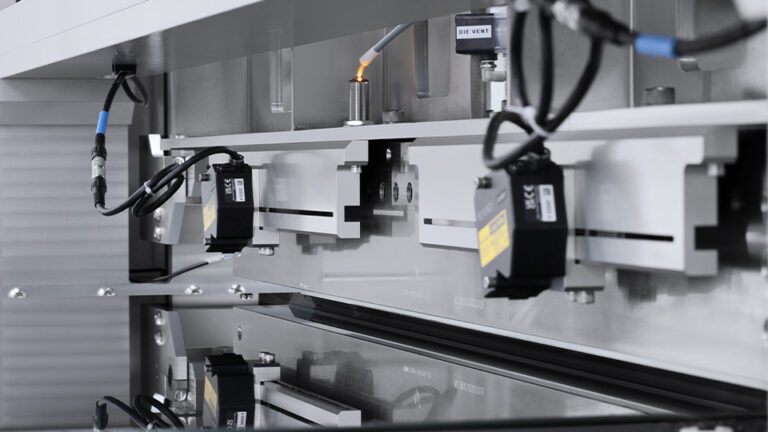
The problem-driven view shows three repeating failures: specification gaps, manufacturing tolerance drift, and field integration issues. Specifications that omit wind or roof-load criteria lead fabricators to assume safe defaults; those assumptions break on site. Tolerance drift happens when shop drawings are not reconciled with jigs and fixtures, producing parts that need on-site remachining. Field integration fails when attachment points or drainage paths are undefined, forcing improvised fixes that undermine warranty and longevity. Please note these are practical patterns seen repeatedly in production sampling and installation observations.
What to require from designs and drawings
Ask for structural loads, attachment details, and clear material callouts in the first contract revision. Require millimetre-level tolerances for mating components and specify surface treatments tied to climate exposure. For example, specify 316 stainless fasteners near coastal locations and a powder-coat finish with documented salt-spray testing for longevity. Insist on CNC-ready DXF files for all extrusions and a hardware list keyed to part numbers; this removes ambiguity before cutting begins.
Common mistakes and how to avoid them
Avoid these precise errors: (1) Using generic lateral bracing instead of engineered braces; (2) Accepting “fit and field adjust” as an expectation; (3) Omitting thermal expansion allowances on long spans. Corrective steps are concrete: require engineered connections stamped by a licensed structural professional, mandate factory pre-assembly for at least one module, and set explicit expansion gap values in the drawing notes. Please have the contract state who is responsible for site shimming and sealing to prevent finger-pointing.
Comparing viable alternatives
When a timber pergola fails due to rot or maintenance impatience, aluminum with thermal-break connections is a sensible alternative; it reduces weight and resists corrosion. Louvered systems offer adjustable sun control but add mechanical complexity and require specified motor ratings and weatherproofing. Vinyl is cheap and low-maintenance but offers limited spans and fewer finish options. Evaluate choices against three criteria: structural capacity, expected maintenance cycle, and ease of repair. This evaluation yields practical trade-offs rather than marketing promises.

Manufacturing and quality controls that matter
Production should include first-article inspection, dimensional sign-off against the DXF, and a documented finishing protocol (including grit, pre-treatment, and coating specifications). Implement jig verification for repeated profiles and a photographic checklist for assembly steps. Shipping must include protective packing that prevents abrasion and keeps fasteners separate and labeled. Track nonconformance with a simple NCR (nonconformance report) that ties photos to corrective action; this paperwork prevents repeat defects in subsequent batches.
Installation and handover: closing the loop
Ensure the contract includes a site pre-check by a factory representative and a signed acceptance after installation. Provide a maintenance sheet with exact cleaning intervals, approved cleaners, and fastener torque values. For warranty clarity, list exclusions—such as damage from unlisted mechanical loads or aftermarket attachments—so all parties share expectations. This handover prevents small installation choices from voiding protections later.
Conclusion: a practical synthesis
Treat pergola projects as an engineering problem that begins at specification and ends at documented handover. When the brief is complete, production tolerances are enforced, and field integration is planned, the result is a durable, elegant structure rather than a costly retrofit. That disciplined approach is precisely the value Light Hunter brings to projects, through consistent documentation, tested finishes, and coordinated handover that reduces surprises and extends useful service life.
