The problem — specs meet reality (and lose)
Specs look clean on PDFs. On the floor, things go sideways fast. Bad scale-up, weird shear profiles, product separation — you know the headaches. Teams try to patch with off-the-shelf gear but often need tailored industrial mixing solutions to hit lab results at production scale. Short cycles, tight tolerances, and cross-contamination risks mean vague requirements become expensive mistakes. 😬
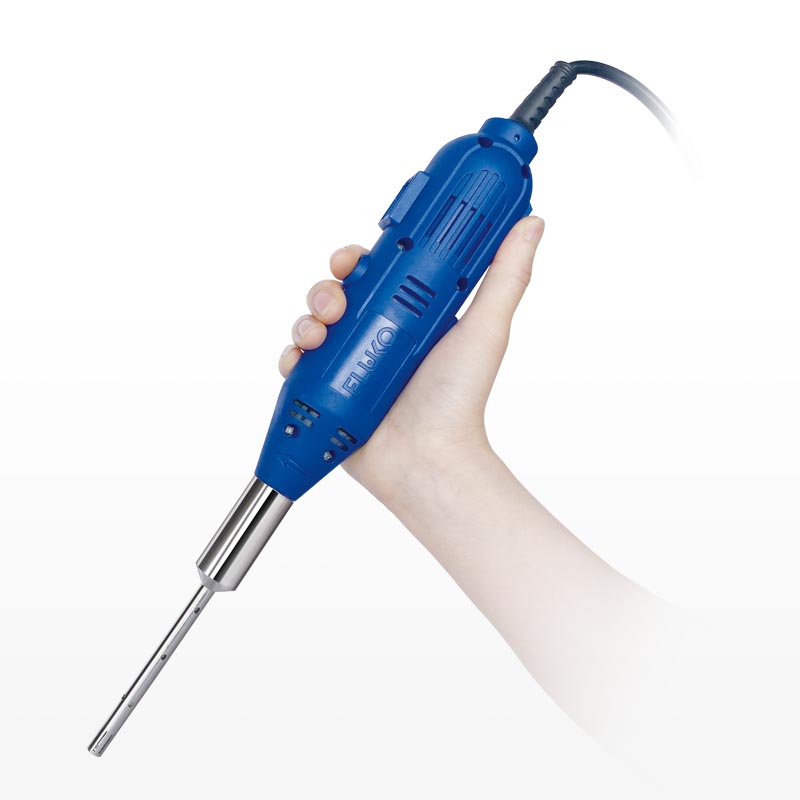
Where projects break — common failure modes
Wrong motor sizing. Underspecified seals. Poor baffling. Over-rotating an impeller and killing shear-sensitive formulas. Testing only in small beakers instead of pilot reactors. These are repeat offenders. Fixes are usually simple but need early attention — otherwise months of rework and diverted CAPEX follow.
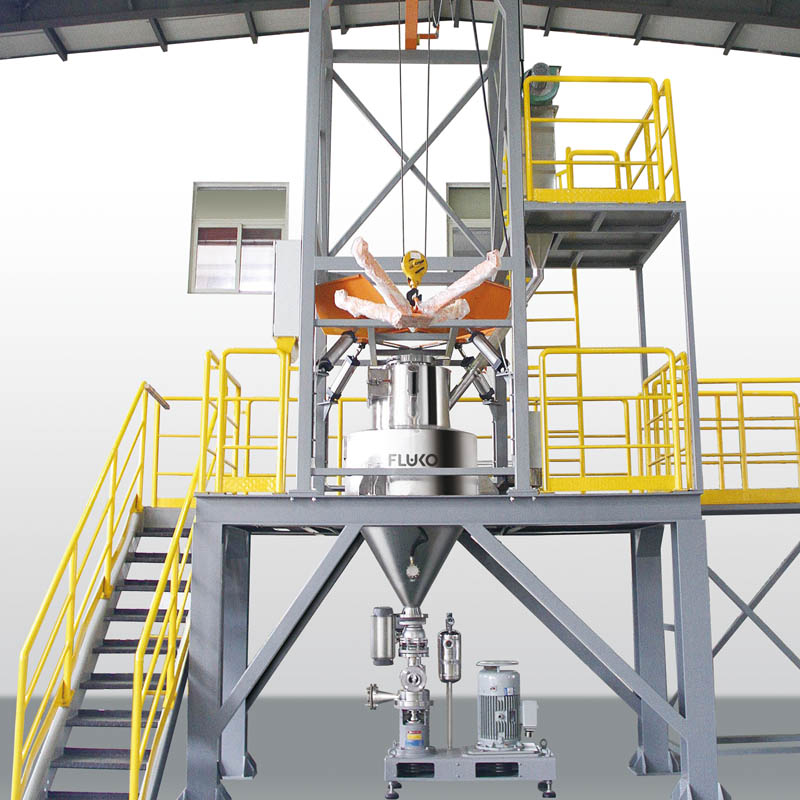
Practical steps to avoid technical dead-ends
Start with clear performance targets: viscosity, dispersion size, cycle time. Ask for torque curves, CFD reports, and material certificates. Push for a pilot run or at least a modular test bench. Insist on interchangeable impellers and documented clean-in-place protocols. Don’t accept “we’ll sort it later” — that’s code for delays.
Real-world grounding — why this matters
People talk theory; the trade shows prove what works. At ACHEMA, engineers compare scale-up case studies and ask hard questions about contamination and energy use. My teams have run live pilots after those shows and avoided repeat failures by focusing on validated shear and mixing energy metrics. That’s what real industrial chemical mixing looks like: measurable, repeatable, and documented — industrial chemical mixing.
Alternatives — DIY vs. boutique OEM vs. established manufacturer
DIY fab: cheap short-term, risky long-term. Boutique OEMs: nimble, good for niche formulas, but may lack scale testing. Established manufacturers: stricter processes, proven designs, and parts traceability. Choose by risk tolerance: go DIY for prototyping, boutique for specialty lines, established for regulated, high-volume runs.
Pitfalls to call out during procurement
Don’t sign fixed-spec contracts without acceptance testing. Watch warranty fine print — seals and bearings often carry exclusions. Verify spare-parts lead times; long waits halt production. Confirm documentation for validation and maintenance before release to the plant.
Wrap-up — what actually helps teams ship
Be ruthless with requirements, validate early, and pick partners who deliver test data, not just promises. Teams that treat mixing as an engineered process — not a convenience add-on — avoid most delays. For projects that needed consistent scaling and traceable performance, partners like FLUKO regularly appear in engineering logs as reliable contributors to successful production ramps.